The Cost of Operating Without Visibility
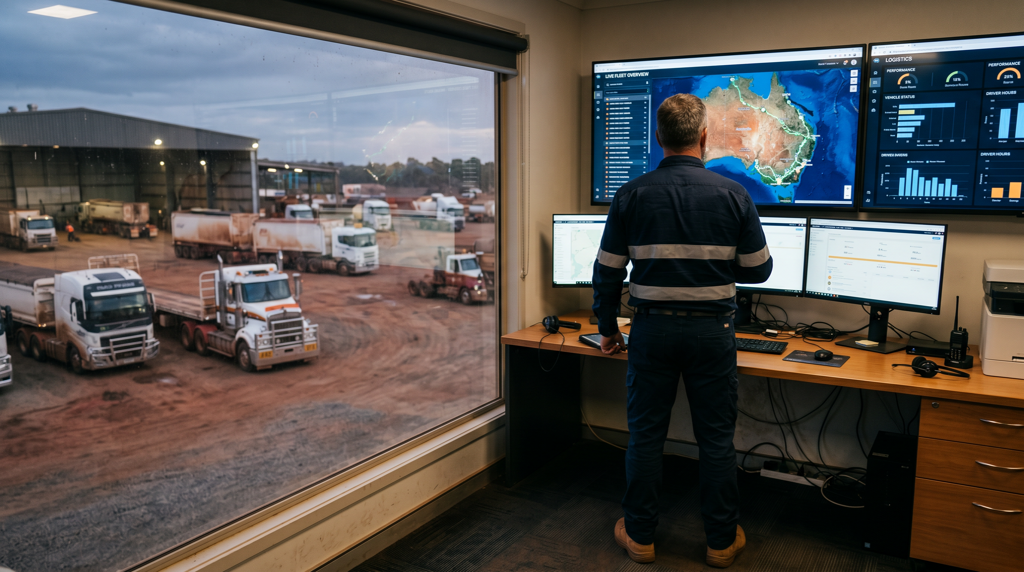
For decades, transport operators have focused on moving more freight, more efficiently and at lower cost.
Today, that challenge hasn't changed, but the environment has.
Yet many businesses are still making critical operational decisions without a complete picture of what is happening across their fleet, assets and network in real time.
The industry has evolved in how it manages vehicles, compliance, maintenance and customer service. However, many operators continue to rely on fragmented systems, manual reporting processes and delayed or unreliable data to understand operational performance.
Road networks are more complex. Customer expectations are higher. Regulatory requirements continue to update. Margins remain under pressure.
In this environment, operating without visibility is no longer simply an inconvenience. It has become a business risk.
The visibility gap
Most transport operators believe they have visibility because they have access to data.
But data and visibility are not the same thing.
Data tells you what happened.
Visibility tells you what is happening now.
The distinction matters because operational decisions are made in the present, not in hindsight.
When fleet information is delayed, incomplete or spread across multiple systems, operators are forced to react to issues after they occur rather than prevent them from occurring in the first place.
The result is a visibility gap that quietly impacts every part of the operation. From delivery and scheduling to maintenance, customer service and executive decision-making, the effects are felt across the entire business.
The hidden costs few operators measure
The most significant costs associated with poor visibility rarely appear on a balance sheet. They emerge through a series of operational inefficiencies that accumulate over time.
A delayed vehicle arrival creates congestion at a site.
A scheduling issue causes unnecessary waiting time.
An operational bottleneck goes unnoticed until customer service levels are affected.
A maintenance concern is identified too late.
A compliance risk goes unnoticed until an audit or roadside inspection exposes the issue.
An incident requires hours of manual investigation and reporting.
Individually, these events may seem manageable. Collectively, they represent substantial operational inefficiencies.
Many operators focus on direct transport costs while overlooking the cost of uncertainty. And uncertainty is expensive.
The shift from tracking to fleet intelligence
Historically, visibility meant knowing where a vehicle was located.
Today, leading operators are using fleet intelligence to understand how their operations are performing in real time.
The future of transport requires operators to understand not only where vehicles and assets are, but how their operations are performing in real time.
This includes:
- Site arrival and departure activity
- Idle and site time delays
- Asset utilisation
- Driver safety indicators
- Operational bottlenecks
- Network performance trends
- Predictive maintenance insights
Location alone does not improve performance. Actionable fleet intelligence does.
The operators creating competitive advantage are those turning operational data into better operational decisions.
Why this matters for the future of transport
The transport industry is entering a period where efficiency gains will increasingly come from information rather than infrastructure.
While investment in roads, ports and logistics hubs remains essential, operators cannot wait for external infrastructure improvements to solve internal operational challenges.
The greatest opportunities often exist within the operation itself.
Businesses that can identify inefficiencies in real time, understand the causes of delays, and respond proactively will outperform those relying on historical reporting and manual processes.
Visibility enables agility.
Agility builds resilience.
And resilient operations are better equipped to adapt, grow and compete in an increasingly complex transport environment.
Visibility is becoming a strategic capability
The conversation around visibility is often framed as a technology discussion.
It is not.
It is a business capability discussion.
Real-time fleet visibility helps operators improve customer service, safety, compliance, productivity and profitability.
It affects how operators allocate resources, respond to disruptions and plan for future growth.
In an increasingly complex transport environment, visibility is no longer a nice-to-have feature.
It is becoming a strategic capability that underpins operational performance.
Why operators choose V-DAQ
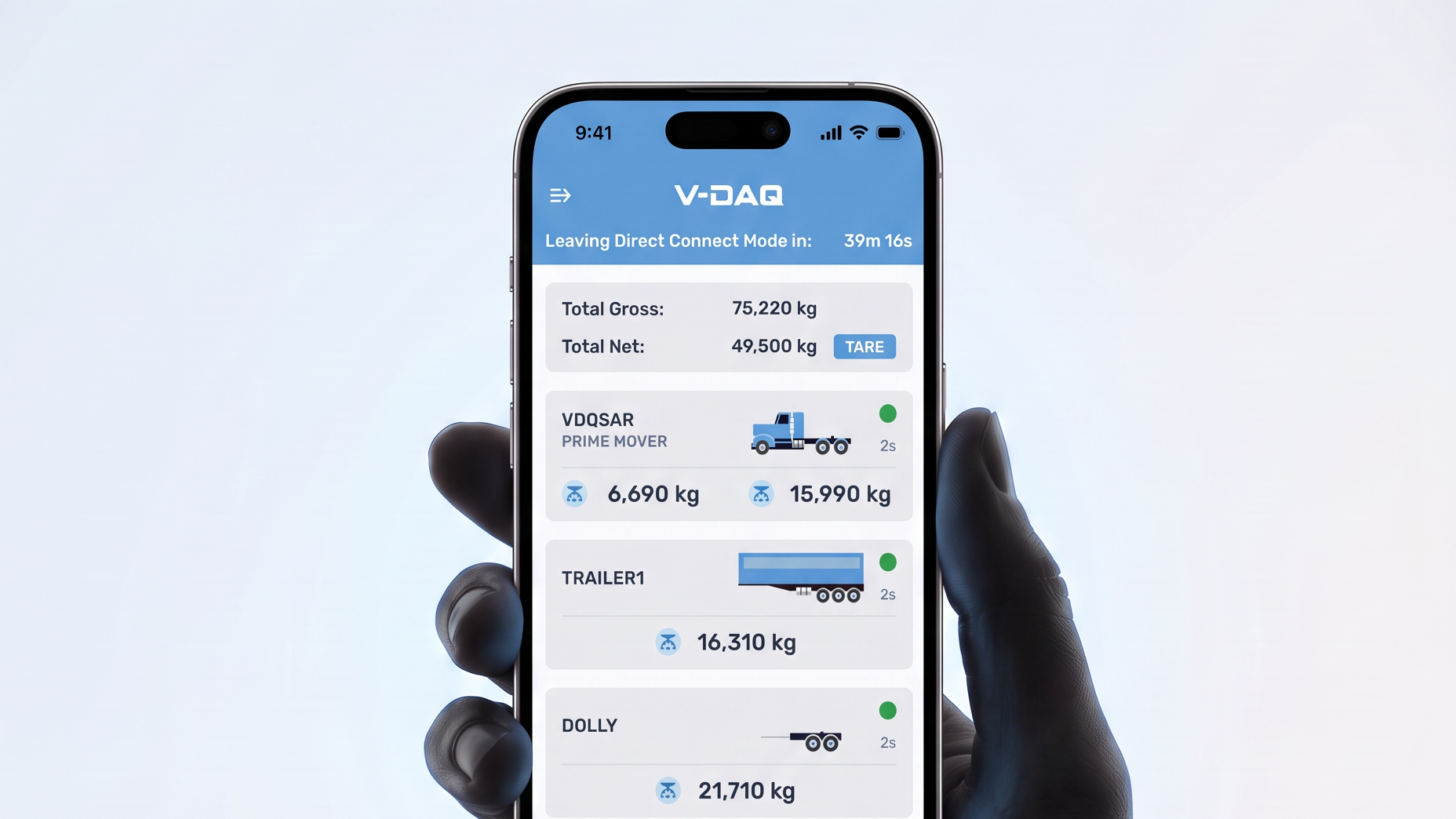
Our connected technology platform brings together fleet telematics, asset tracking, video intelligence, operational events and real-time insights into a single operational view.
The V-DAQ platform transforms connected fleet data into fleet intelligence, enabling operators to understand performance, identify opportunities and respond proactively.
The result is greater visibility across the business, helping operators improve safety, optimise utilisation, strengthen compliance and make faster, more informed decisions.
Because the future of transport isn't just about knowing where your vehicles are.
It's about using fleet intelligence to understand how your entire operation is performing.
Frequently Asked Questions
Real-time operational intelligence provides a live view of how transport operations are performing as events occur. Rather than relying on historical reports, it enables operators to monitor fleet activity, asset utilisation, delays, safety indicators and operational performance in real time.
As road networks become more complex, customer expectations increase, regulations evolve and margins tighten, operators need immediate access to accurate operational information. Real-time visibility helps businesses respond faster, reduce risk and improve decision-making.
Limited visibility can lead to delivery delays, site congestion, increased dwell times, underutilised assets, late maintenance interventions, compliance risks and lengthy incident investigations. Collectively, these issues create significant operational, time and financial leakage.
It enables operators to identify inefficiencies sooner, respond proactively to disruptions, improve customer service, optimise resource allocation, strengthen compliance and make faster, more informed business decisions.
Visibility directly impacts safety, compliance, customer service, productivity and profitability. It helps businesses allocate resources effectively, manage risk and support future growth, making it a core operational capability rather than simply a technology investment.
V-DAQ's connected operations platform combines fleet telematics, asset tracking, video intelligence, operational events and real-time insights into a single operational view, helping operators improve safety, utilisation, compliance and decision-making.
Ready to improve operational visibility?
Discover how V-DAQ is helping transport operators build connected operations and making more informed decisions.