Queensland SPVs are moving from IAP to TMA
If you run a Class 1 special purpose vehicle (SPV) in Queensland with a telematics condition on its access, it needs to come off the Intelligent Access Program (IAP) and onto the Telematics Monitoring Application (TMA) before the end of this year.
The Department of Transport and Main Roads (TMR) opened the transition on 1 July 2026. Its guidance says Class 1,2 and 3 SPVs with telematics requirements must be fully transitioned by 31 December 2026 to keep operating on state-controlled roads.
Who this affects
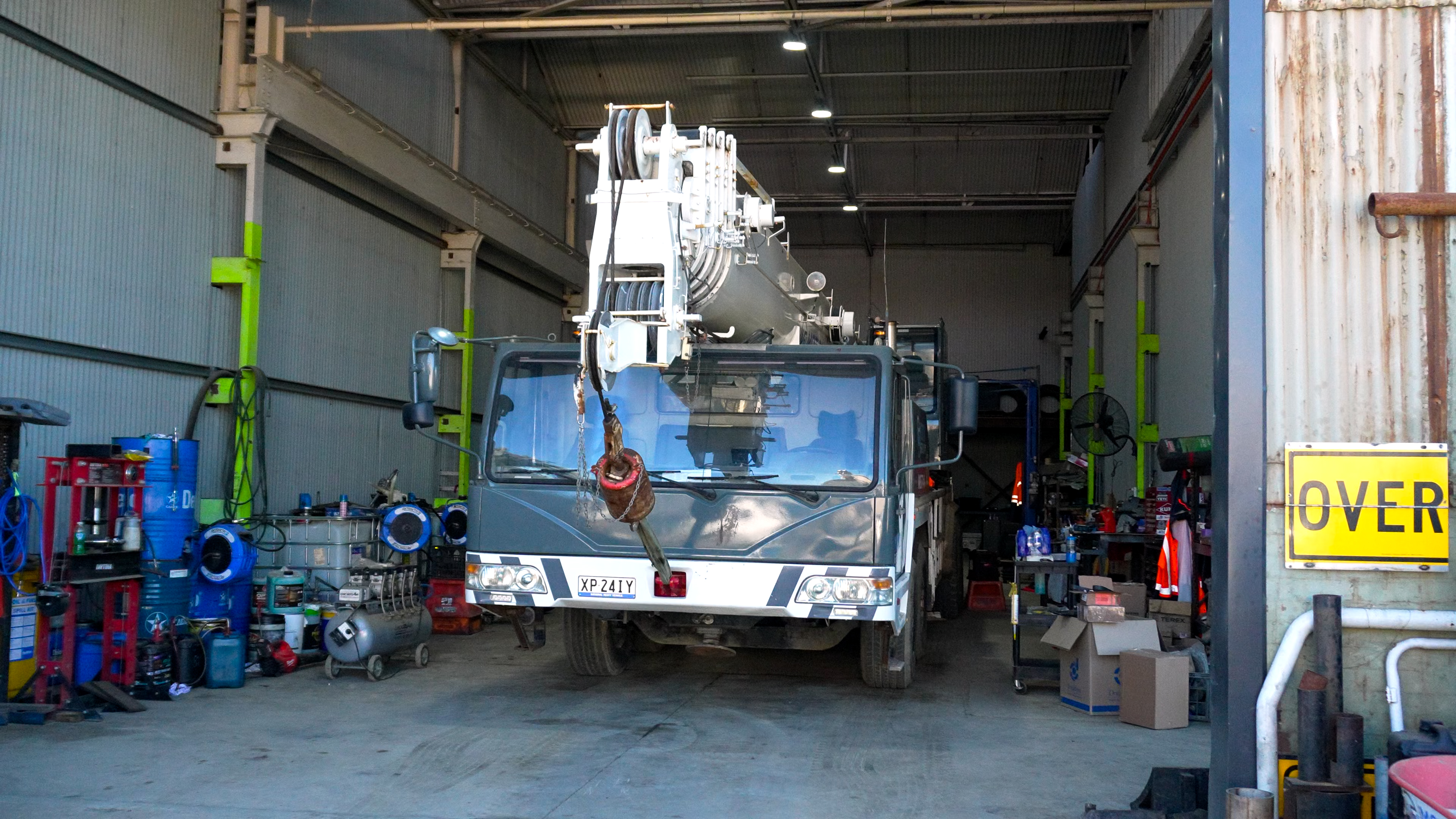
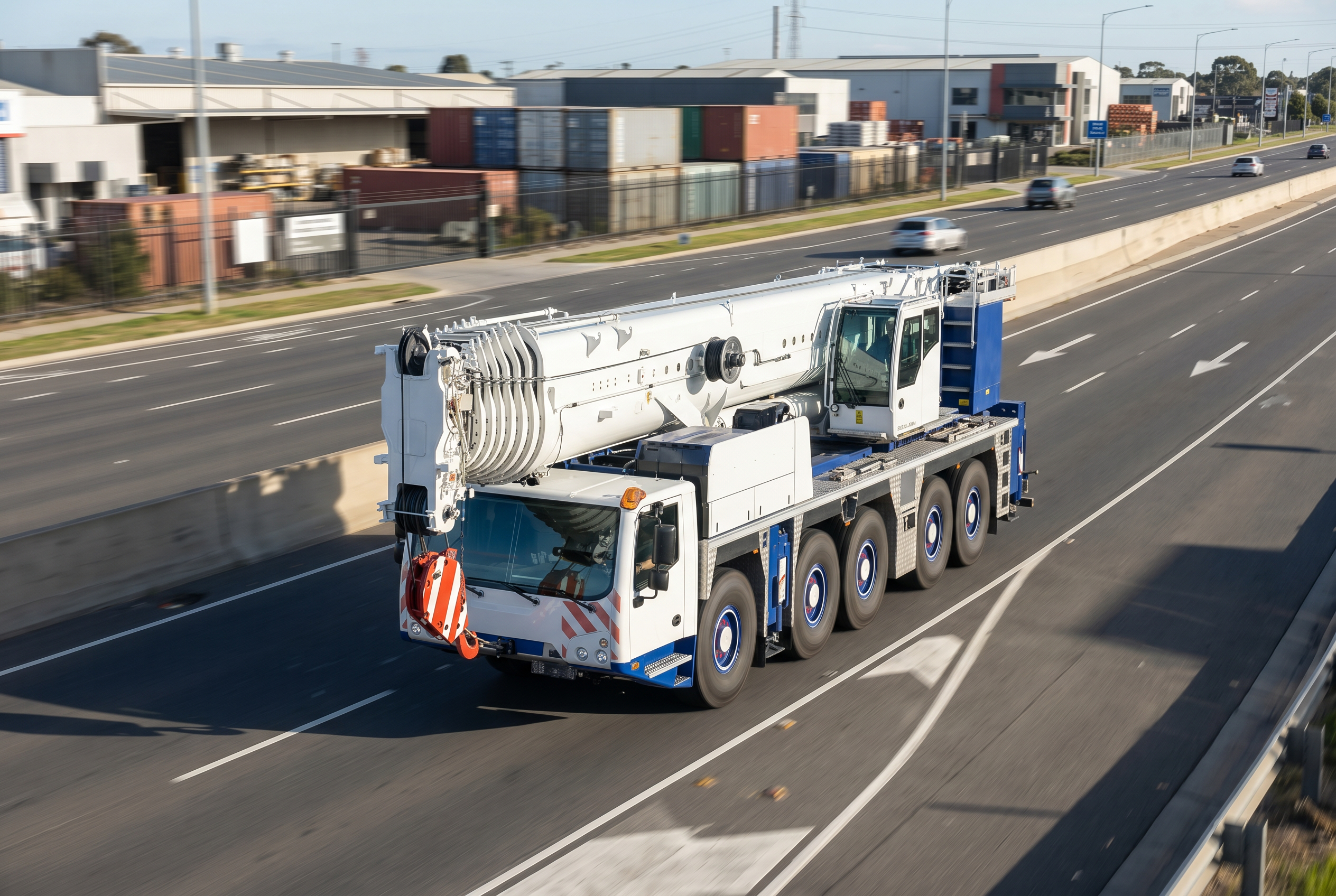
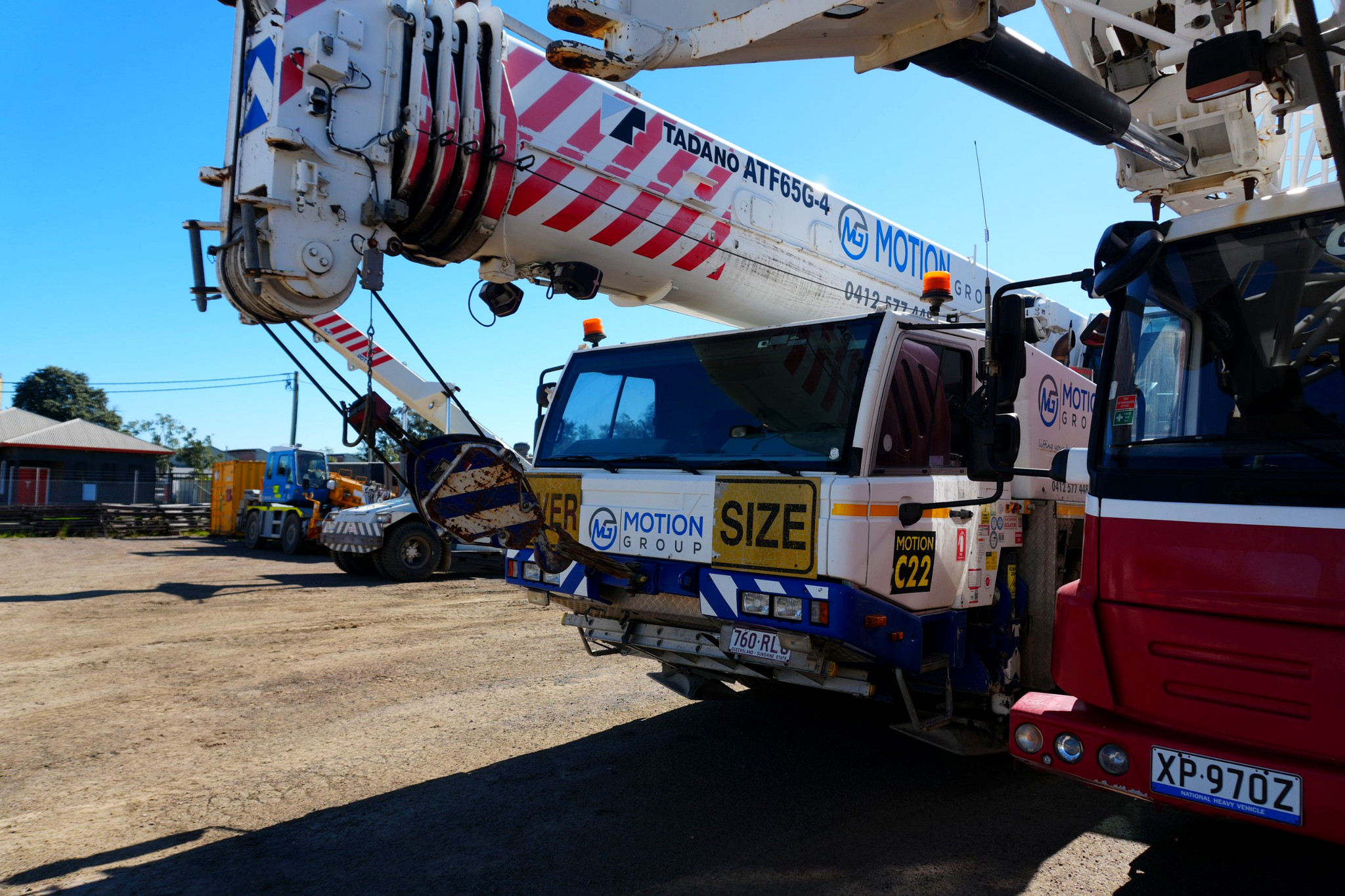
The change covers Category 1, 2 and 3 SPVs that are enrolled in IAP today because their permit or notice carries a telematics condition. In practice that's mobile cranes, concrete pumps and similar specialised vehicles that travel on Queensland's state-controlled roads.
If you enrolled a vehicle after 1 July 2026, you're already on TMA. Since that date, new enrolments can only go into TMA.
TMR describes it as a like-for-like change. Your access conditions stay the same. Only the telematics application changes.
What changes and what doesn't
You don't need a new permit. TMR is amending existing permits to allow for TMA, and any permit issued since 1 July 2026 already names TMA where telematics is required.
What changes is how the data is used. IAP compared where a vehicle went against where it was allowed to go, which made it an enforcement tool. TMA records time and location so road managers can see how their roads and bridges are being used.
Cost also usually drops. TMR's own guidance says TMA operating costs are generally lower than IAP. V-DAQ's TMA service is $1,200 a year per vehicle, with the V-DAQ TAG device included.
How to make the switch
- Choose a TMA provider. It doesn't have to be the company that supplies your IAP service. TCA publishes the list of certified Application Service Providers (ASPs).
- Get a TMA-capable device in the vehicle. V-DAQ's TAG mounts on the windscreen like a toll tag, so your own team can fit it without booking an auto-electrician.
- Enrol the vehicle in the TMA Special Purpose Vehicle Monitoring Scheme (QLD). Your provider handles the enrolment and issues a certificate of enrolment once it's done.
- Cancel the vehicle's IAP enrolment, and any Queensland interim OBM enrolment, with TMR. Do this after your TMA enrolment is confirmed, not before, so the vehicle is never without a valid telematics enrolment.
Keep the certificate of enrolment with the vehicle's permit records.
If your SPVs cross state borders
One of the reasons for the change is national consistency. NSW, Victoria, South Australia and Tasmania already run TMA schemes for SPVs. One TMA device can be enrolled in several schemes at once, so a crane that works in NSW and Queensland doesn't need two systems.
V-DAQ's TMA service includes unlimited TMA scheme enrolments for that reason.
The same device does more than compliance
A TMA device is also a high assurance GPS tracker. With V-DAQ, the TMA service includes the full fleet tracking platform: live location, trip history, alerts and reports.
That matters for SPV operators, because a lot of site paperwork is still done by hand. One crane customer told us site arrival is still recorded on paper dockets. A geofence around a job site records when the vehicle arrived, how long it stayed, how long it idled and when it left. V-DAQ's Geofence Activity Report turns that into a record you can attach to an invoice.
Frequently Asked Questions
No. TMR is amending existing permits to allow the transition. Permits issued since 1 July 2026 already include TMA as a condition where telematics is required.
Possibly. TMR says many in-vehicle units are compatible with TMA, but not all. Ask your provider which model you have and whether it's type-approved for TMA.
Usually it costs less. TMA operating costs are generally lower than IAP. V-DAQ's TMA service is $1,200 a year per vehicle, device included.
Only after your TMA enrolment is confirmed and you have the certificate. Cancelling first leaves the vehicle without a valid telematics enrolment.
TMR says SPVs must be transitioned to keep operating on Queensland's state-controlled roads. If you can't meet the date, contact TMR directly about your permit.
No, but running both on one device means one platform, one support team and one bill. With V-DAQ, the TMA service includes fleet tracking.
Switching to TMA with V-DAQ
V-DAQ is a certified ASP and Australian company that builds telematics for Australian heavy vehicles. Support comes from our team in Australia, who work with these schemes every day.
To move a vehicle across, send us the vehicle and permit details. We dispatch a TAG, you fit it, and we complete the enrolment and send the certificate through the V-DAQ platform.
If you've got SPVs still on IAP, talk to us this week.