Asset Tracking
Ultra-long-life, battery-powered telematics devices which provide visibility into the location, movement, utilisation, and operational status of high-value assets across your business.
From
$12
/ month*
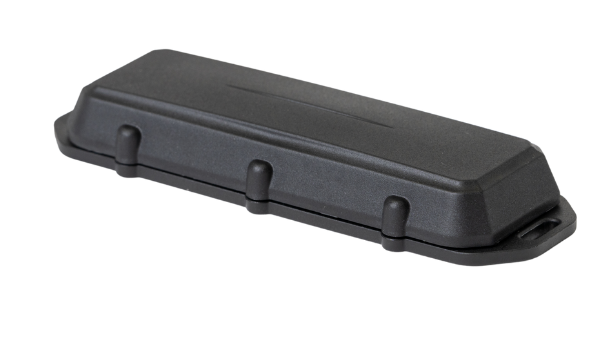
Ultra-long-life, battery-powered telematics devices which provide visibility into the location, movement, utilisation, and operational status of high-value assets across your business.
From
/ month*
With 10+ years battery life on low-movement assets and 6+ years in common fleet use, the V-DAQ Asset Tracker is built for long-term, low-maintenance deployment. Using GPS/GNSS, Wi-Fi, and cellular location technology together, it delivers more dependable asset visibility across remote areas, depots, warehouses, and challenging environments.
Ultra-Long Battery Life
6+ years battery life in common fleet assets with customisable movement updates.
Flexible Install
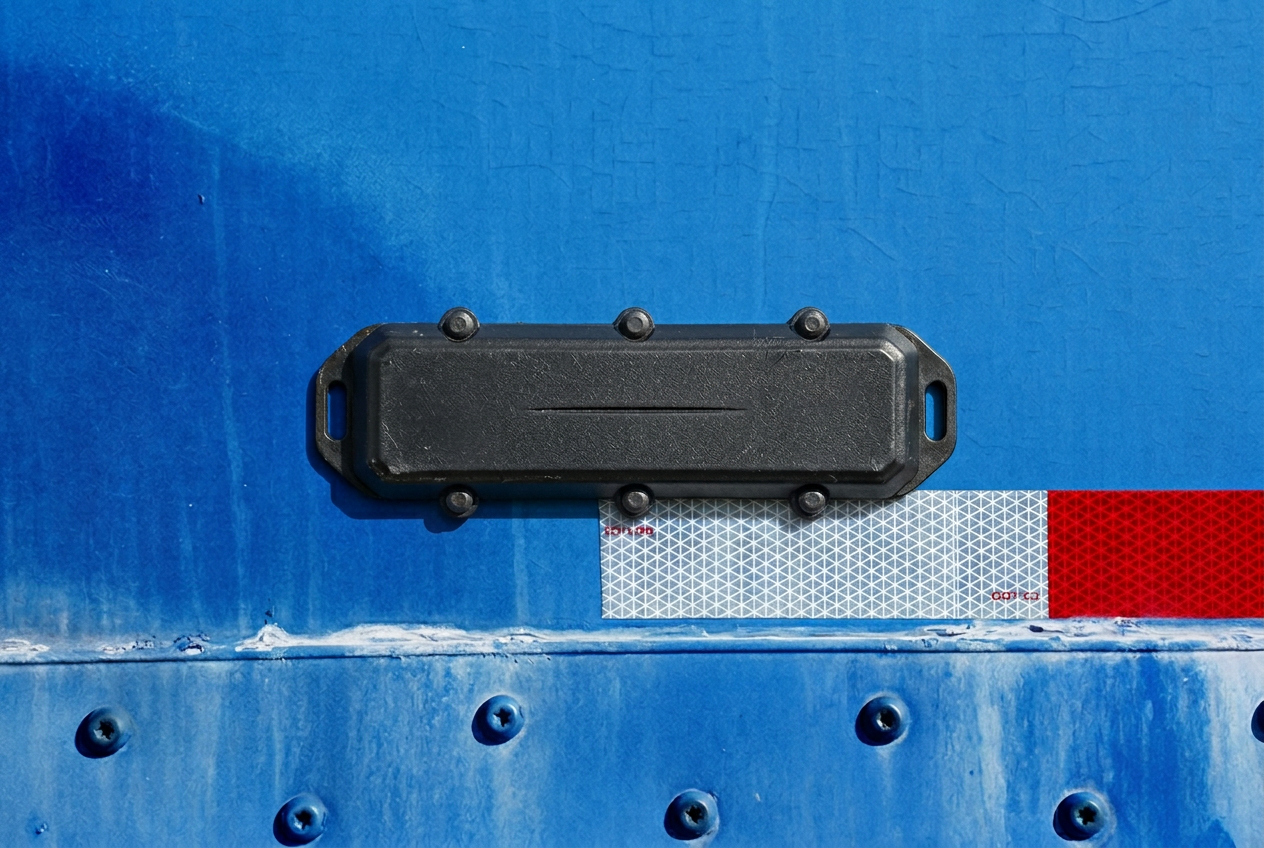
Wire-free installation in minutes using adhesive or bolts.
Multi-Source Location
GPS/GNSS, Wi-Fi, and cellular working together for more dependable asset visibility.
Live & Historical Visibility
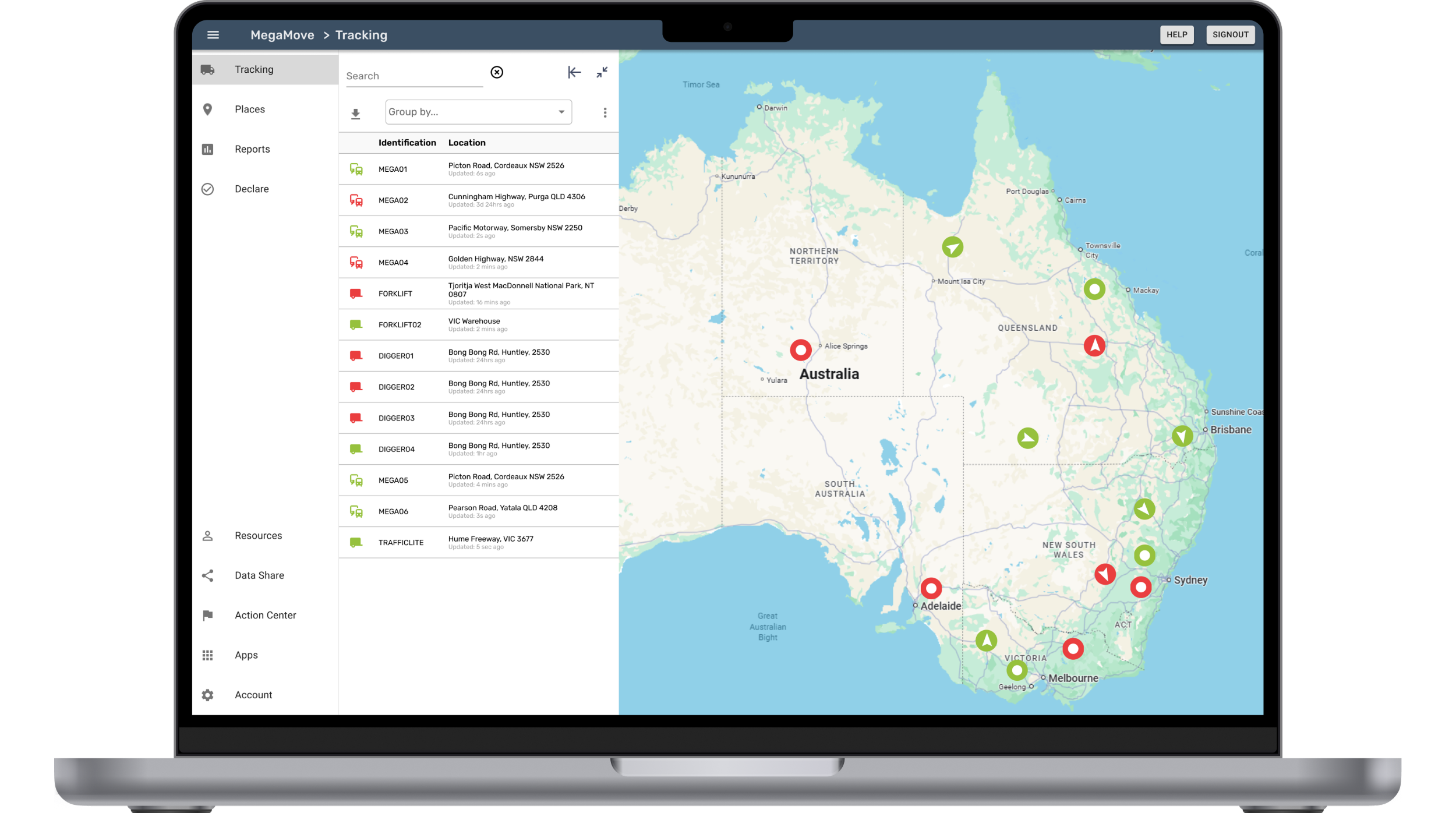
Capture live and historical location, movement, site activity, and utilisation hours.
Durable Hardware
Weatherproof (IP68) and impact-resistant (IK07) for real fleet environments.
Asset Security
Recovery readiness for high-value powered and non-powered assets.
Powering
2x AA Energizer Ultimate Lithium batteries (supplied)
Battery Life
Up to 10+ years depending on reporting profile and asset activity
Connectivity
Telstra LTE-M loT
Location Methods
Multi-source location using GPS/GNSS, Wi-Fi, and cellular
Installation
Adhesive or bolts, with no wiring required
Durability
Waterproof (IP68), and impact resistant (IK07)
Asset monitoring is the use of battery-powered telematics devices and software to track where assets are, when they move, and how they are being used. It gives businesses visibility into asset location, movement, utilisation, and recovery readiness across powered and non-powered assets.
Asset monitoring works by installing a battery-powered tracker on an asset to capture location and movement data. That data is then sent to the platform, where businesses can view live and historical activity, monitor asset movement, create reports, and respond to security or utilisation events.
Asset Monitoring is suited to trailers, dollies, trucks, vehicles, yellow fleet, equipment, machinery, and many other mobile assets. It is especially valuable for assets that are high-value, frequently moved, difficult to locate, or costly to lose.
Yes. While battery-powered asset tracking is commonly used on non-powered assets, it is also highly effective on powered assets such as trucks, vehicles, and machinery. It adds a low-cost layer of monitoring and recovery readiness that continues working even when primary asset power is unavailable or cut.
Battery-powered asset monitoring offers fast deployment, no wiring, low maintenance, long service life, and flexible installation across a wide range of assets. It is ideal for fleets that want dependable visibility and security without the complexity of hard-wired systems.
Battery life depends on how often the asset moves and the reporting profile used. Low-movement assets can achieve 10+ years of battery life, while common fleet use with V-DAQ’s recommended reporting profile typically delivers around 6+ years in field-tested conditions. Reporting can also be configured to be more or less frequent depending on operational needs.
The reporting profile is configurable, but V-DAQ’s recommended default is designed to balance visibility and battery life. This typically includes a location update at the start and end of movement, periodic updates while in transit, and a regular stationary check-in to confirm the asset is still being monitored and connected.
In many fleet environments, yes. Battery-powered asset monitoring avoids dependence on sunlight, visible panel placement, and the performance trade-offs that can come with solar charging. It is often a simpler, more secure, and more dependable option for assets that operate indoors, under cover, in dirty environments, or where hidden installation matters.
Fleet Tracking is typically used for powered vehicles and higher-frequency telematics data, while Asset Monitoring is designed to provide long-life, wire-free visibility across powered and non-powered assets. Many fleets use both together, with Fleet Tracking supporting the vehicle and Asset Monitoring adding a low-cost layer of security, visibility, and recovery readiness across other assets.
V-DAQ combines dependable battery-powered hardware, practical fleet-driven reporting logic, One Platform visibility, and a team that understands how real fleets operate. The result is an Asset Monitoring solution designed not just to show where assets are, but to help protect high-value assets, simplify deployment and increase revenue though improved utilisation.
Discover how V-DAQ can simplify your operations, connect your systems, and help your fleet run smarter and safer.