Where's your trailer?
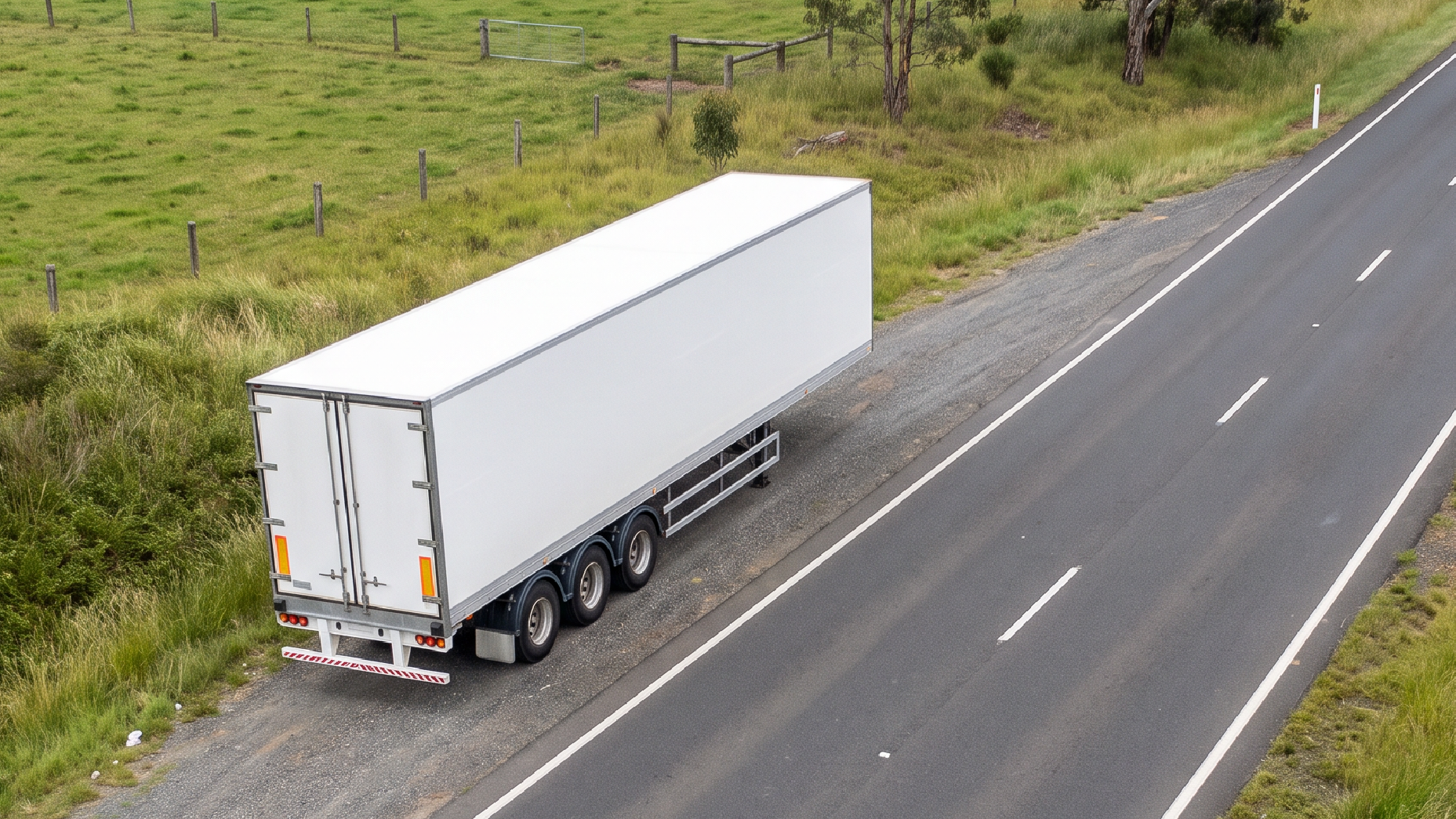
A truck is usually pretty easy to keep an eye on.
The trailer sitting in a yard two states away? The dolly that moved between combinations? The piece of equipment that hasn't been used for a few weeks?
That's where things can get a little harder.
For transport operators, there are plenty of valuable assets that don't have a driver sitting in them or a permanent power source keeping them connected.
And most of the time, you probably don't need to think about them.
Until one isn't where it's supposed to be.
Asset tracking isn't just about dots on a map
Knowing where an asset is has obvious operational value. But one of the biggest reasons operators look at standalone asset tracking is much simpler: security.
Trailers, dollies, machinery and equipment can spend long periods unattended, move between depots or customers, or rotate through different combinations.
If something goes missing, being able to establish where it was, when it moved and where it may be now can make a big difference.
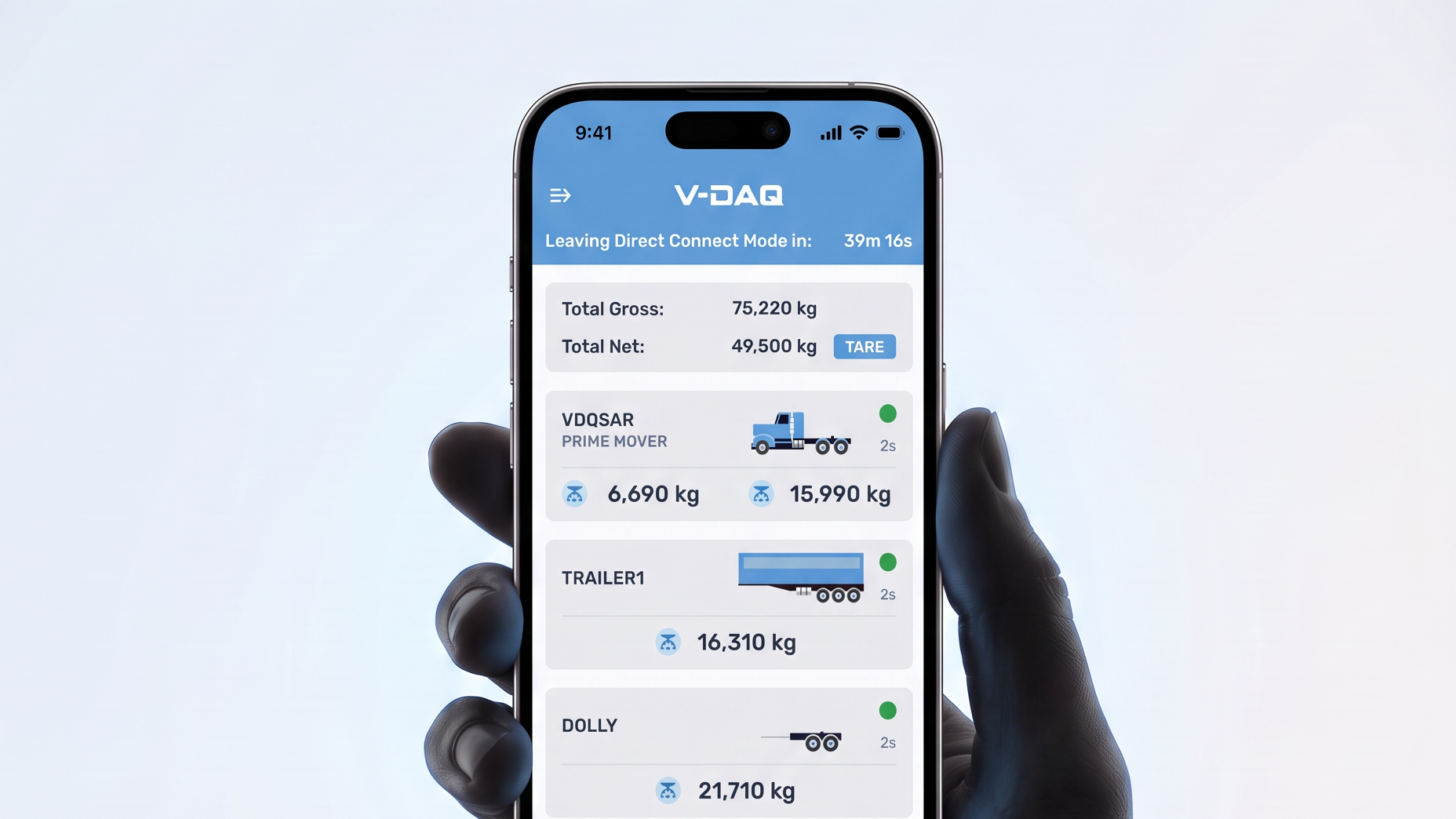
V-DAQ Asset Tracking adds a separate, battery-powered layer of visibility across powered and non-powered assets.
Because the tracker doesn't rely on the asset's primary power supply, it can continue providing location information even if that power isn't available or is cut.
And when an asset does need to be located, theft recovery mode can be activated remotely to increase the frequency of tracking updates.
More than GPS
GPS is usually the first thing people associate with asset tracking, but assets don't always stay somewhere with a clear view of the sky.
They end up in warehouses. Under cover. Between equipment. In depots. In built-up areas.
V-DAQ Asset Trackers use multiple sources to determine location, combining GPS/GNSS, Wi-Fi and cellular positioning.
That gives operators another way to maintain visibility when GPS alone may be limited.
For an asset that's gone somewhere it shouldn't, that's particularly useful.
The assets that are easy to lose sight of
Not every asset needs its own tracker.
A trailer permanently coupled to the same prime mover may already have enough visibility through the vehicle.
The value becomes much clearer when assets operate independently or regularly change hands, locations or combinations.
That might include:
- trailers and dollies
- shared or rotating equipment
- machinery and yellow fleet
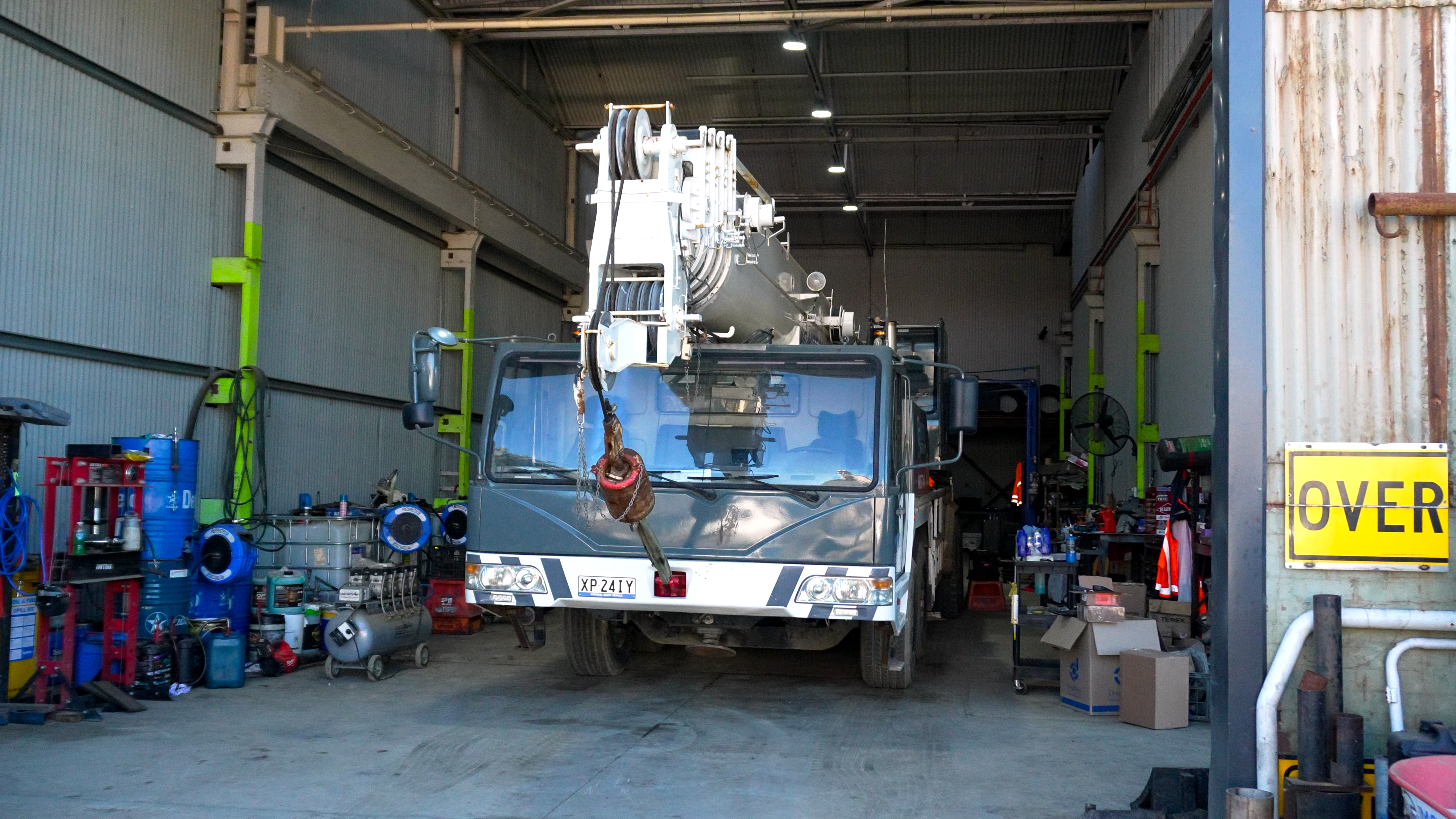
- vehicles that aren't used every day
- equipment spread across multiple depots or sites
- high-value assets that would be expensive or disruptive to lose
The question isn't really “Can we track everything?”
It's “Which assets would cause us a problem if we couldn't find them?”
That's usually a much better place to start.
Those questions can become just as important as theft protection.
It shouldn't be difficult to deploy
One of the challenges with tracking non-powered assets has traditionally been installation.
Hardwiring every trailer, dolly or piece of equipment isn't always practical particularly across a mixed fleet.
V-DAQ Asset Trackers are wire-free and can be installed using adhesive or bolts, without specialist wiring.
Battery life depends on the asset's activity and reporting profile, but common fleet applications can achieve 6+ years, while low-movement assets can achieve 10+ years.
That makes it possible to add visibility to assets without turning the installation itself into another fleet project.
One fleet, not another system to check
Asset Tracking also sits within the same V-DAQ Platform as other V-DAQ fleet technology.
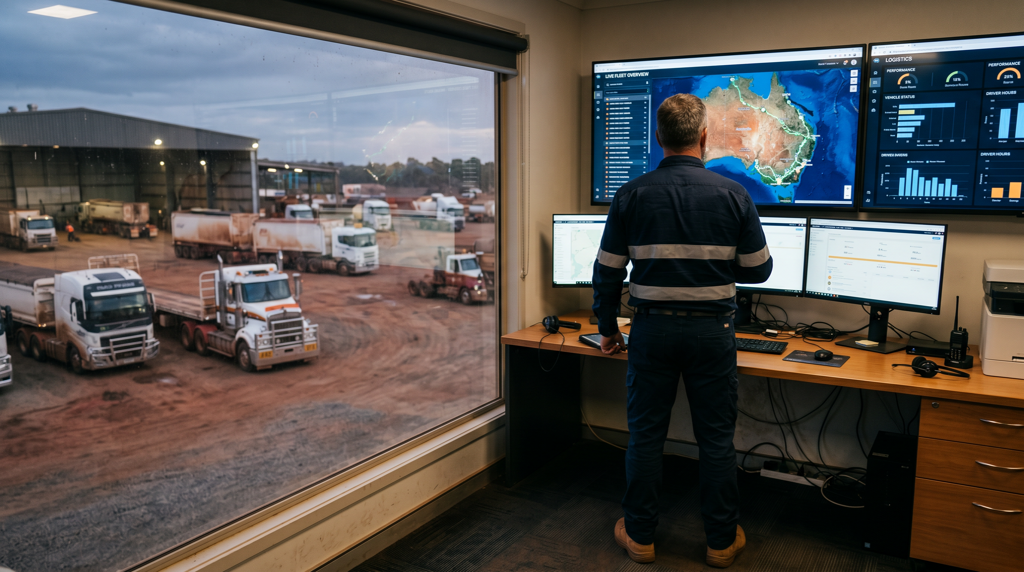
That means an operator using V-DAQ across vehicles and other assets can see more of the operation in one place, rather than treating trailers, dollies, machinery and vehicles as completely separate fleets.
For a small operator, that might simply mean knowing where an unattended trailer is.
For a larger fleet, it could mean understanding asset movements across multiple depots or regions.
And if something does go missing, it means having location information available when it matters most.
So, what should you track?
Start with the assets that are valuable, mobile, regularly unattended, shared between combinations or difficult to replace quickly.
Then consider what happens when you can't find one.
It's not just the value of the asset. There's the downtime, disruption, replacement costs, insurance excess and time spent trying to work out where it went.
Asset tracking doesn't need to be complicated to make a difference.
Sometimes, the biggest value comes from being able to answer one simple question:
Where is it?