The benefits of fleet tracking for Australian transport operators
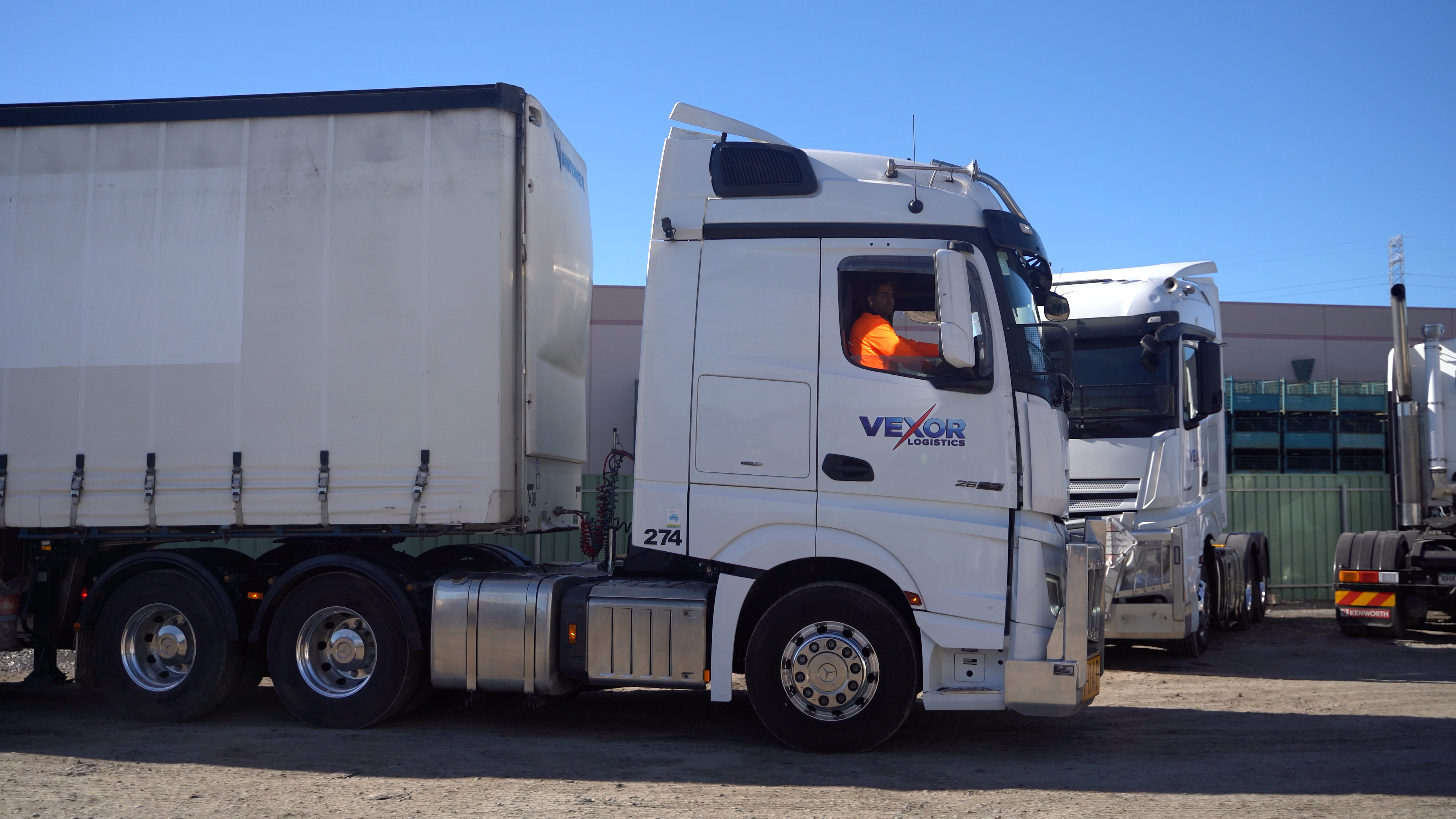
Fleet tracking uses a GPS telematics device in each vehicle to show where it is, what it's doing and where it's been, all on one platform. For transport operators, the biggest payoff is getting more work out of the vehicles, trailers and drivers you already have. Adelaide-based Vexor Logistics reduced its fleet to around half its previous size, with similar revenue, after moving its interstate operation onto V-DAQ Fleet Tracking.
What is fleet tracking?
Fleet tracking is the use of telematics devices and software to monitor vehicle location, movement and activity across a fleet. A device wired into each truck reports its position, speed and status to an online platform. Dispatchers, linehaul managers and compliance teams then see the whole operation on one map.
It's also called GPS fleet tracking, vehicle tracking or telematics.
Basic systems show dots on a map. A professional system adds trip history, geofences, alerts and reporting, and connects to the other tools a transport business runs on, like electronic work diaries and maintenance software.
Fleet tracking covers powered vehicles. For trailers and equipment without a constant power source, battery-powered asset tracking does the same job.
How does fleet tracking work?
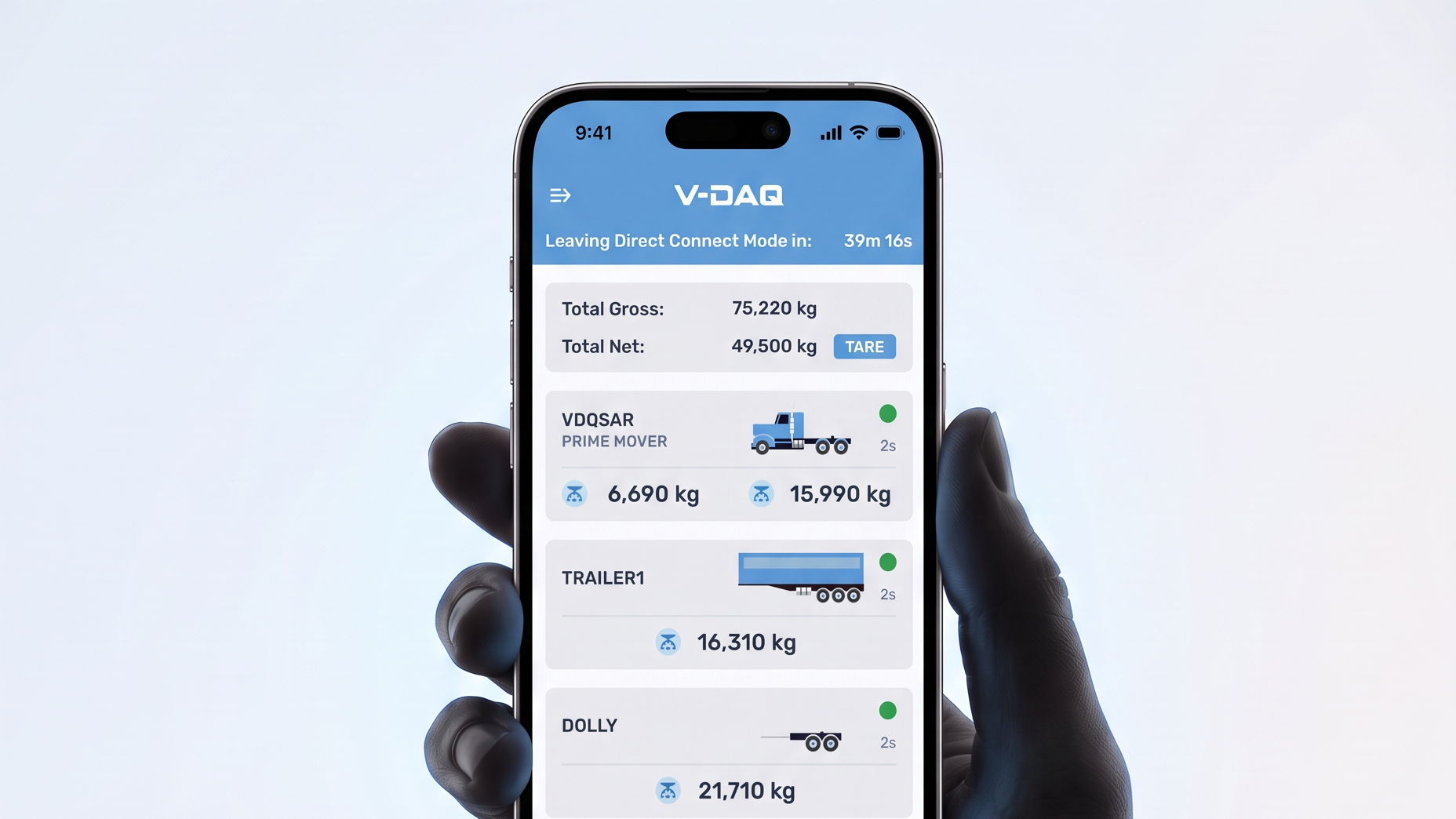
A telematics device in the vehicle records location and motion, sends it over the mobile network, and the platform turns it into live maps, trip records and reports. With V-DAQ Fleet Tracking, the process runs like this:
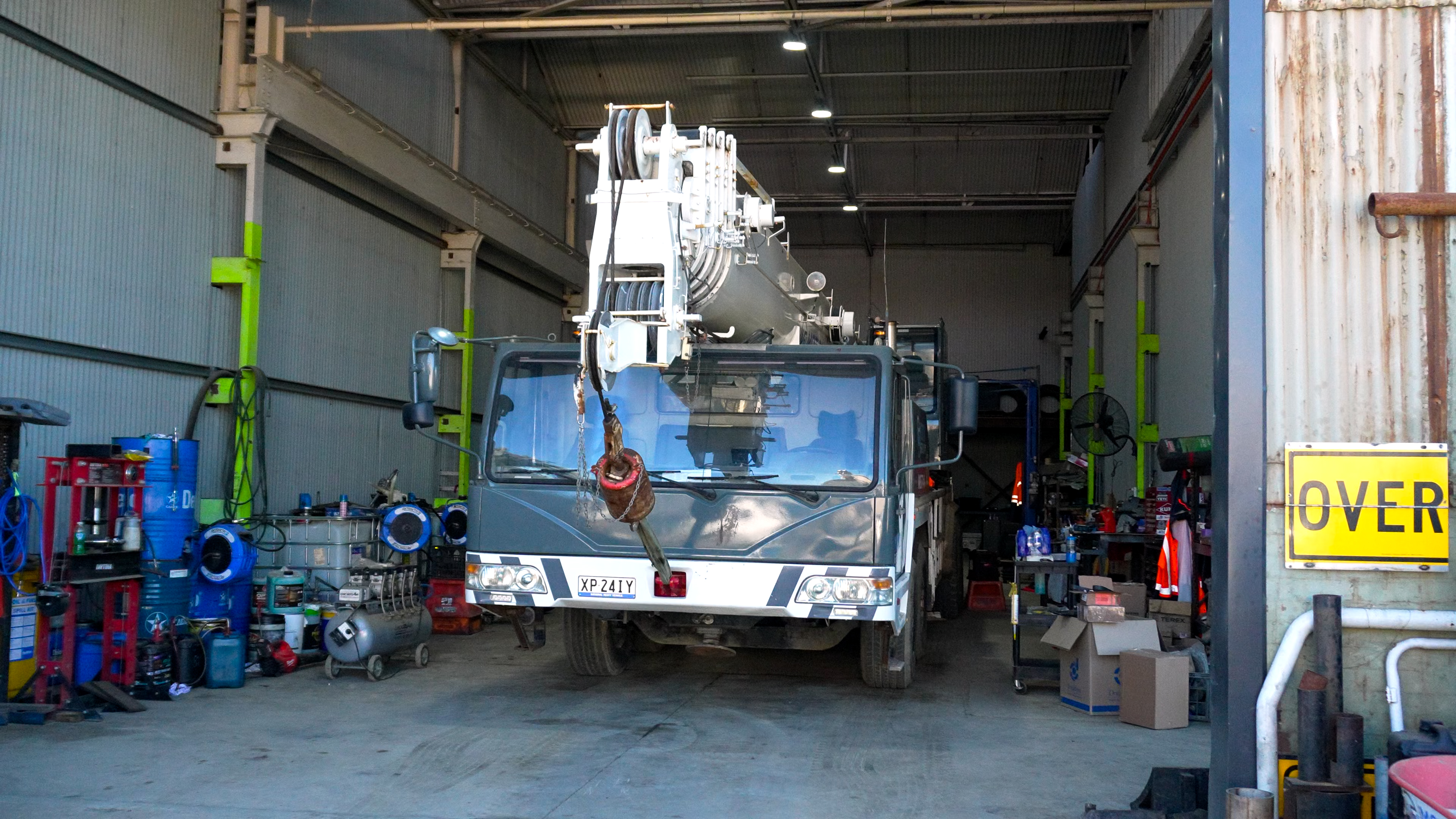
- A small device is fitted to each vehicle. It's quick to install and easy to move to another truck when your fleet changes. Vexor's own workshop does it in about 30 minutes.
- The device updates the vehicle's location and speed every second, so what you see on the map matches what's happening on the road.
- It sends that information over the mobile network. When a truck goes through a remote stretch with poor coverage, the device keeps recording, so no part of the trip goes missing.
- You log in and see every vehicle on a map, live. You can replay any past trip and get alerts when something needs attention, like a truck speeding, moving after hours or arriving at a customer's site.
- The same information builds reports on trips and how much each vehicle is being used. It can also flow into the other software you use, like your work diary or maintenance system, so nobody types it in twice.
- The device stays out of the way, which made the switch easy for Vexor's drivers.
What are the benefits of fleet tracking?
The benefits of fleet tracking come from replacing phone calls and guesswork with an accurate, shared picture of where every vehicle is and what it's doing.
Better fleet utilisation
Tracking shows which vehicles are working, which are sitting idle, and for how long. Once you can see that across every depot, you can plan loads and combinations around the equipment you have instead of buying or leasing more. Utilisation reports put numbers on it, vehicle by vehicle.
Faster turnarounds and more reliable ETAs
Live location lets the next person in the chain prepare before a vehicle arrives. Changeover drivers, depot staff and customers stop waiting on phone updates. On long linehaul runs, trailers can keep moving while drivers take their required rest.
Simpler compliance
Accurate, timestamped location data supports work diary records, NHVR requests and audits. When tracking connects to an electronic work diary, compliance teams can pull reports in minutes and drivers can show their records at the roadside. Operators running PBS or Higher Mass Limits combinations can add regulatory telematics such as TMA and Smart OBM on the same platform.
Maintenance planned on actual use
Tracking records odometer readings and engine hours, so services are booked on real use rather than calendar estimates. Combined with fuel data, it helps the workshop spot problems early and schedule repairs around the run sheet.
A factual record of every trip
Trip history with route replay shows where a vehicle went and when. It helps validate jobs and resolve delivery disputes. Geofences around depots and customer sites record arrival, departure and time on site without anyone writing it down.
Security and theft response
Movement and after-hours alerts flag a vehicle that's moving when it shouldn't be. Live location then gives you somewhere to start the recovery.
How did fleet tracking change Vexor Logistics' operation?
Vexor Logistics runs interstate freight between Adelaide, Melbourne, Sydney and Perth, with vehicles, trailers and drivers constantly switching between combinations. Since moving to V-DAQ Fleet Tracking, the team has a clear, live picture of where everything is, and it has changed how they use the fleet.
- The fleet is now around half its previous size, with similar revenue.
- Trailer waiting times are down by three to four hours on some express services to Perth, because changeover drivers can see incoming trucks and be ready when they arrive.
- Compliance reporting is quicker, and some roadside checks now take five to ten minutes.
"Fleet utilisation has been key. We've reduced our fleet numbers, but we've been able to utilise all of our equipment much better. Profitability has risen, and the whole process has become a lot smoother."
Dave Krajnc, National Linehaul Manager, Vexor Logistics
Watch the video and read the full Vexor Logistics story
What should you look for in a fleet tracking system?
Choose a system that fits how your fleet actually runs, not the one with the longest feature list. The things that mattered to Vexor make a good starting checklist:
- Hardware you can move between vehicles quickly, especially if your combinations and equipment change often.
- Second-by-second location data, kept complete through low-coverage stretches.
- Integrations with your electronic work diary, maintenance and compliance tools, so nobody re-enters data.
- A path to regulatory telematics (TMA, RIM, Smart OBM) if you run PBS or HML combinations, or plan to.
- A platform that drivers, dispatchers and the workshop can all use without much training.
- Support from a team that knows transport and fixes problems when they come up.
- Clear pricing. V-DAQ Fleet Tracking starts from $60 a month with hardware included (see pricing).
Frequently Asked Questions
Fleet tracking uses a device powered by the vehicle's electrical system and reports every second. Asset tracking uses long-life battery devices for trailers, containers and equipment that don't have constant power. Many operators run both on the same platform.
Cost depends on the hardware, features and size of your fleet. V-DAQ Fleet Tracking starts from $60 a month with hardware included, and volume pricing is available for larger fleets.
Accurate location and trip data supports work diary records and makes it faster to answer NHVR requests. Vexor's compliance team generates reports through the V-DAQ and Hubfleet integration, and its drivers show EWD records at roadside checks.
Yes, in many cases. V-DAQ devices can be removed and reinstalled when a vehicle is sold, replaced or reassigned. Vexor's workshop does it in about 30 minutes.
V-DAQ Fleet Tracking uses Telstra's LTE-M network and retains data in low-coverage areas, so trip records stay complete on long remote runs. An internal backup battery keeps the device running if vehicle power drops.
It depends on the operation, but visibility starts the day a vehicle is connected. Vexor ran V-DAQ alongside its old system and saw clear benefits within a month.
Find out what better visibility could change for your fleet
Tell us about your routes, your combinations and the systems you already use. We'll recommend the setup that fits, and nothing you don't need.