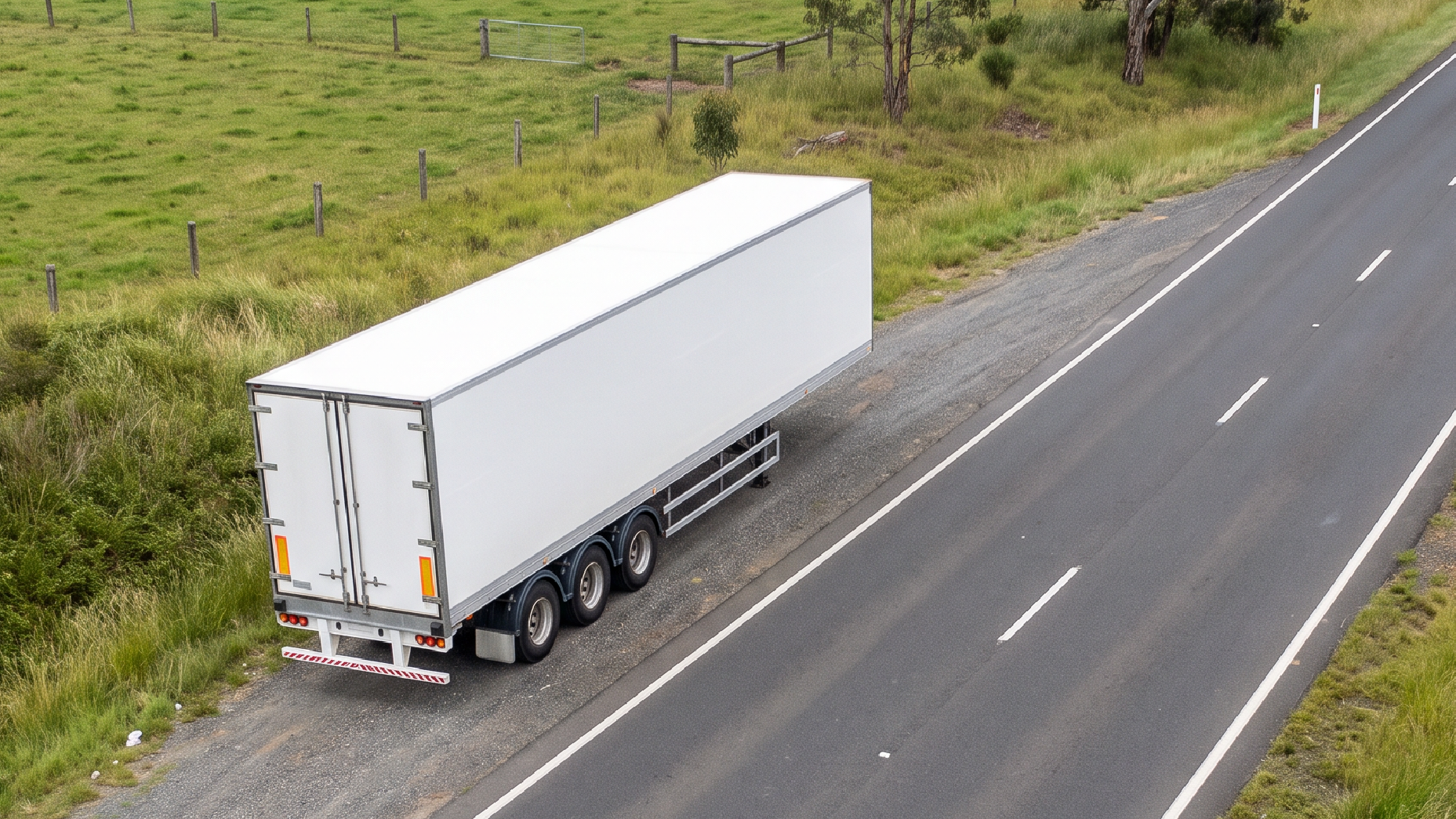
Do you know how much you’re losing in hidden delays and missed demurrage?
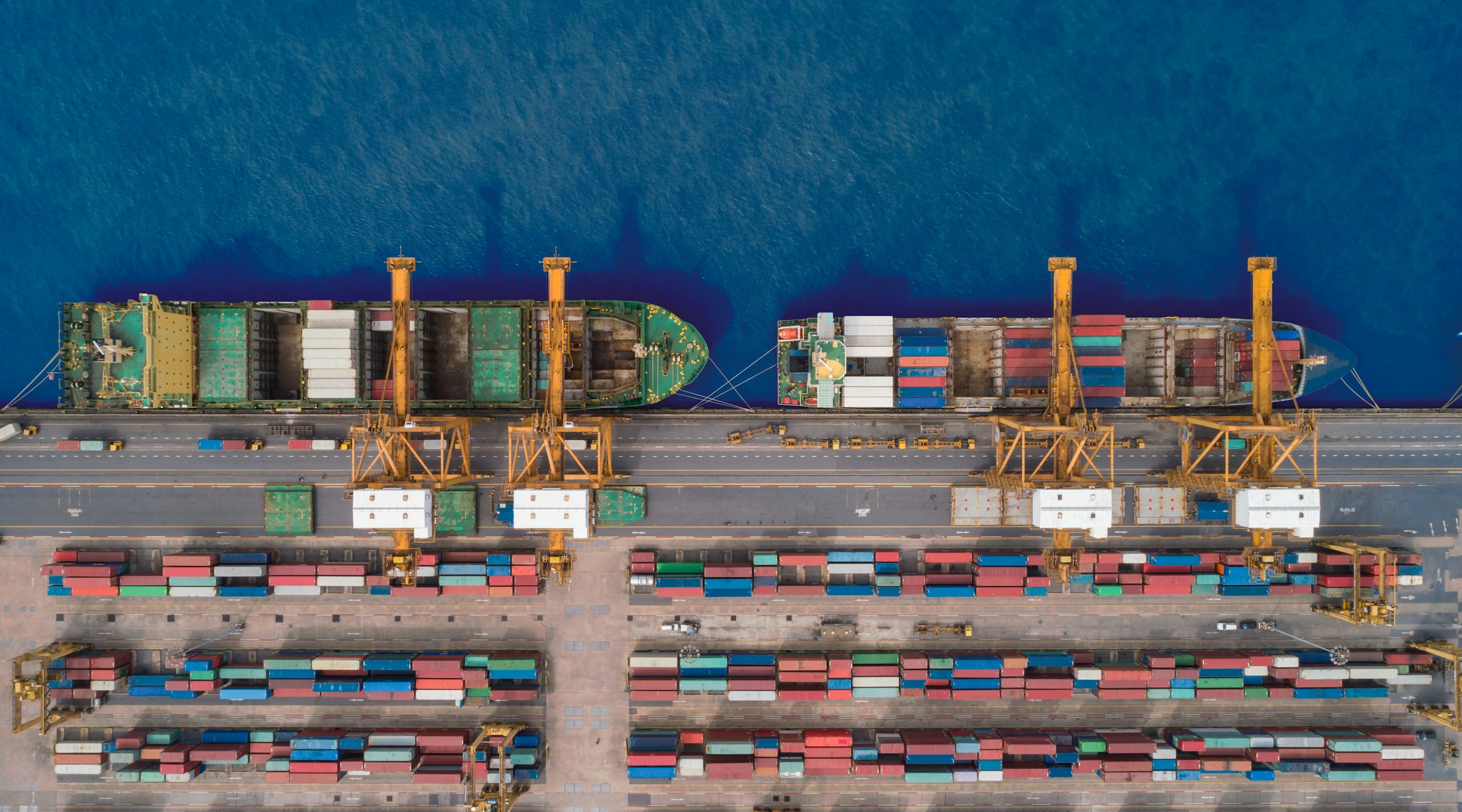
Why every minute matters in modern transport operations
Every transport operator expects delays.
Traffic builds.
Loading takes longer than planned.
Drivers wait for paperwork.
Customer sites become congested.
These events are often accepted as part of doing business.
The problem isn't that delays occur.
The problem is that many operators don't fully understand what those delays are costing them.
Looking beyond demurrage charges
When people think about demurrage, they often think about a fee charged for exceeding an agreed loading or unloading time.
But the true cost extends well beyond a single charge.
Every additional minute a vehicle spends waiting has a ripple effect across the operation.
A delayed departure may impact the next collection.
Drivers burn hours on unnecessary waiting times.
Allocators and schedulers spend time adjusting schedules.
Customer service manages enquiries about late arrivals.
Fleet utilisation decreases as vehicles spend less time moving and more time idle.
Viewed individually, these impacts appear minor.
Across an entire fleet, they become a significant source of operational inefficiency.
The productivity equation
Every vehicle has a limited number of productive hours available each day.
The longer those vehicles spend stationary, the less value they generate.
Improving productivity isn't always about adding more vehicles.
Often, it's about reducing avoidable delays.
By understanding where delays occur, how frequently they happen and what causes them, operators can recover productive time without increasing fleet size.
Visibility creates accountability
One of the greatest challenges is that many delays remain invisible.
Without accurate arrival, departure and on-site time information, fleet managers rely on manual reporting or assumptions and overall guess work to “estimate“ operational performance.
This limits their ability to identify recurring inefficiencies and bottlenecks or have informed conversations with customers, suppliers and site operators.
Real-time operational visibility changes that.
It provides objective data about what happened, where it occurred and how long it lasted.
That visibility helps fleet managers make better decisions every day. For example, if a vehicle is delayed at a customer site, they can reschedule the next pickup, notify customers earlier and redirect another vehicle to keep work moving.
Turning data into action
The goal isn't simply to collect more information.
It's to understand which delays can be reduced and which processes can be improved.
Connected operations provide operators with the visibility to monitor site performance, identify recurring bottlenecks and make informed decisions that improve fleet productivity.
The result is fewer delays, better utilisation and more efficient operations.
Why V-DAQ?
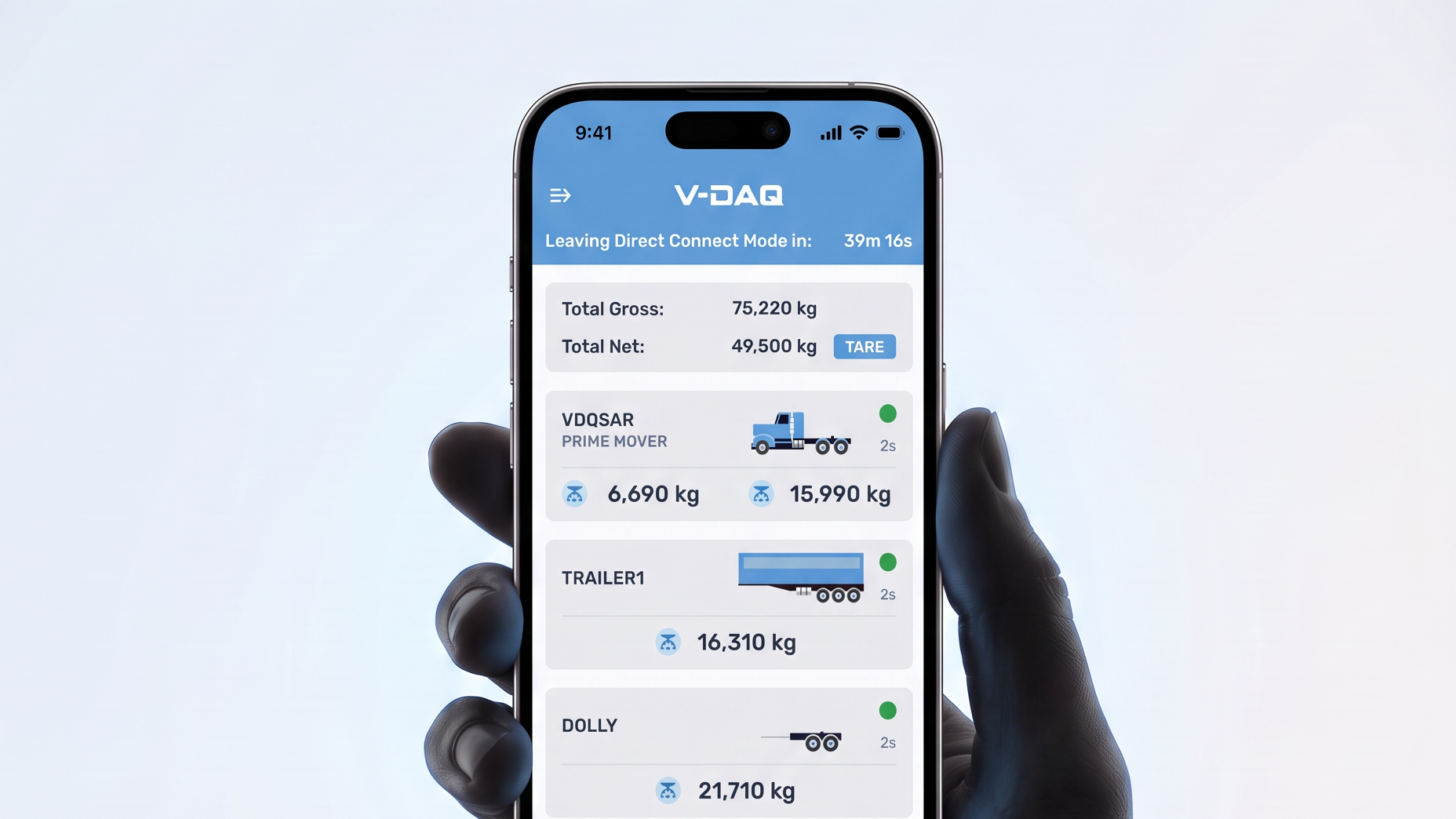
At V-DAQ, Fleet Tracking provides the foundation for greater operational visibility and smarter decision-making.
The V-DAQ Platform provides real-time visibility into fleet movements, arrivals, departures, time on site which enables operators to identify inefficiencies before they impact productivity.
Because every minute saved is another opportunity to improve operational performance.
.jpg)