How Fleet Cameras Reduce Truck Accidents & Better Protect Drivers

How Fleet Cameras Combat Rising Truck Accident Costs
Truck accidents are expensive, stressful, and disruptive, especially for drivers.
Even relatively minor incidents can result in:
- Vehicle downtime
- Delayed deliveries
- Insurance disputes
- Operational disruption
- Stress and uncertainty for drivers involved
For drivers operating long-haul, regional, urban, and remote routes, the risks on the road are constant. Fatigue, blind spots, unpredictable traffic conditions, tight schedules, and driver distraction can all contribute to preventable incidents.
That is why many transport operators are turning to fleet cameras and video telematics not simply to record incidents, but to better support and protect drivers while they are on the road.
Modern fleet camera systems are designed to act as an additional layer of safety for drivers. They provide real-time in-cab warnings, increase visibility around the vehicle, and help identify potential risks before incidents occur.
Rather than only reviewing accidents after they happen, transport operators can now use AI-powered fleet safety technology to help drivers avoid dangerous situations altogether.
In this guide, we explore how fleet cameras help protect drivers, reduce preventable truck accidents, improve operational safety, and provide valuable video evidence when incidents occur.
What Are Fleet Camera Systems
Fleet camera systems are vehicle-mounted or windscreen-mounted video and AI-enabled safety solutions that detect potential risks in real time and provide alerts before incidents occur.
While they are often referred to as dash cams for trucks, modern fleet camera systems combine:
- Video telematics
- AI safety warnings
- Vehicle tracking
- Fleet analytics
- Remote video access
- Safety event reporting
to provide a more complete fleet safety solution.
Some common features of a Video & Safety platform include:
- Forward-facing cameras
- Driver-facing cameras
- Side and rear auxiliary cameras
- AI-enabled event detection
- Video evidence storage and playback
- Real-time in-cab safety warnings
- Remote event generation with video evidence
- Fleet safety analytics
Modern AI fleet cameras can identify safety events including:
- Harsh driving
- Speeding
- Driver fatigue indicators
- Driver distraction
- Mobile phone use
- Driver seatbelt detection
- Following distance risks
- Lane departure warnings
- Critical distance alerts
- Rolling stop events
- Geofence entry and exit alerts
Importantly, these cameras are not designed to monitor drivers. They are designed to support drivers by improving awareness, reducing preventable risks, and providing additional protection during high-pressure driving situations.
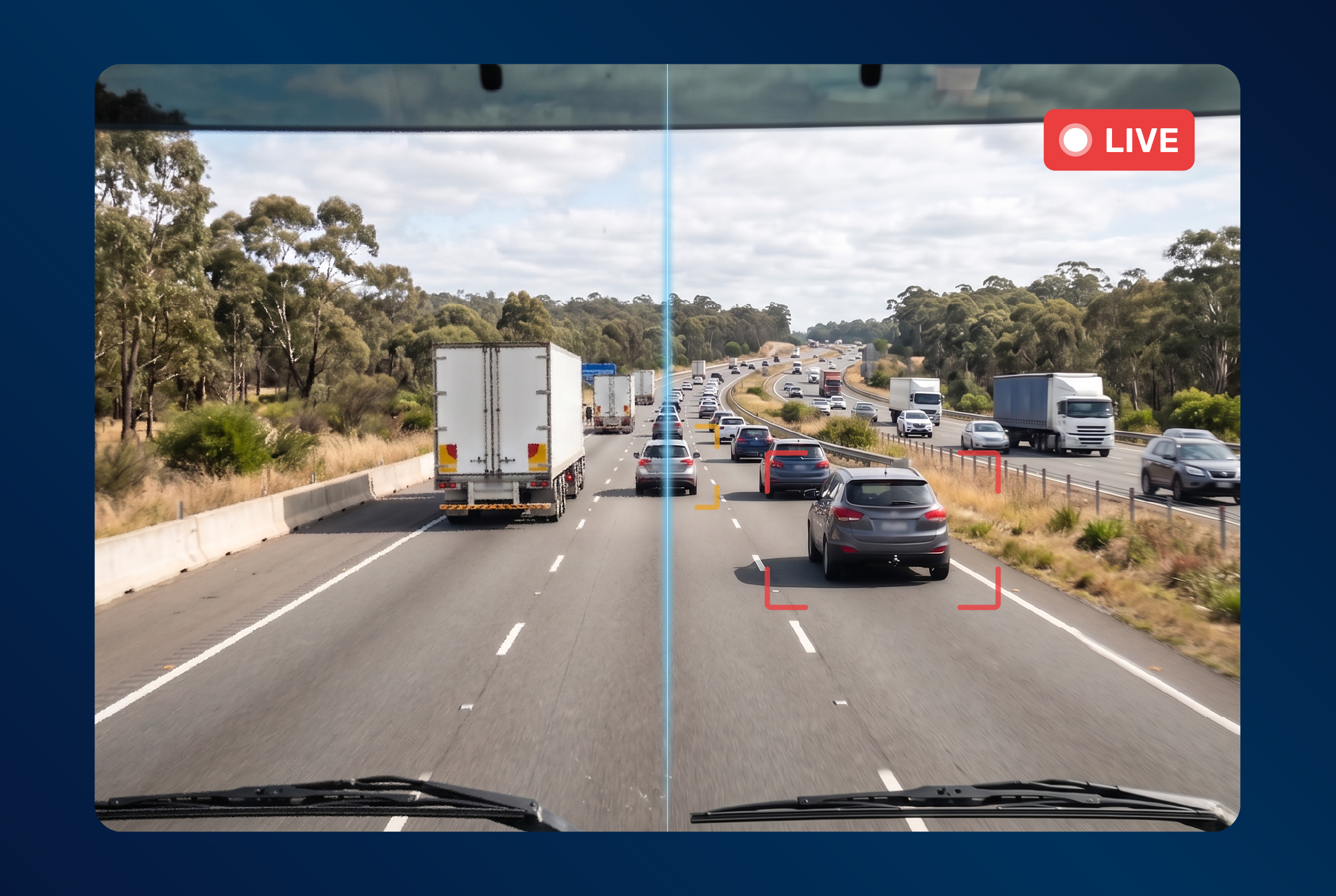
Driver-facing cameras, for example, can help identify fatigue or distraction events early enough to trigger in-cab warnings that allow drivers to respond before a dangerous situation escalates.
The Leading Causes of Truck Accidents
Heavy vehicle operations involve constant exposure to high-risk situations, particularly across long-haul, regional, urban, and multi-stop transport environments. Factors such as driver fatigue, distraction, blind spots, operational pressure, and complex road conditions all contribute to the growing risk of truck-related incidents.
Long driving hours, reversing manoeuvres, sudden braking events, and navigating busy urban environments can significantly increase driver workload and reduce reaction time.
In many cases, incidents occur not because of a single major failure, but because multiple small risk factors build up over time.
This is where modern fleet safety technology and video evidence play a critical role.
AI-powered fleet cameras and video telematics systems help operators identify and reduce risk before incidents escalate. Real-time in-cab safety alerts can warn drivers of dangerous situations such as fatigue events, following distance risks, lane departures, or distraction. At the same time, video evidence gives transport operators a clearer understanding of the challenges drivers face on the road every day, helping improve training, operational procedures, and overall fleet safety.
Rather than relying solely on incident reports or driver recollection, operators can use video evidence and fleet safety analytics to better understand operational risks, improve driver support, and proactively reduce preventable incidents.
How Fleet Cameras Improve Driver Safety
Fleet cameras improve driver safety by providing real-time warnings and operational support during high-risk driving situations.
Rather than acting as a monitoring tool, modern fleet cameras function as another set of eyes on the road, helping drivers identify and respond to hazards earlier.
Real-Time Safety Warnings Support Drivers on the Road
AI-powered fleet cameras continuously assess the driving environment in real time.
If a potential hazard is detected, the system can trigger an in-cab warning to help the driver respond safely. These warnings provide drivers with immediate feedback during situations where reaction time is critical. For drivers operating long-haul or remote routes, these alerts can provide valuable additional awareness during extended periods on the road.
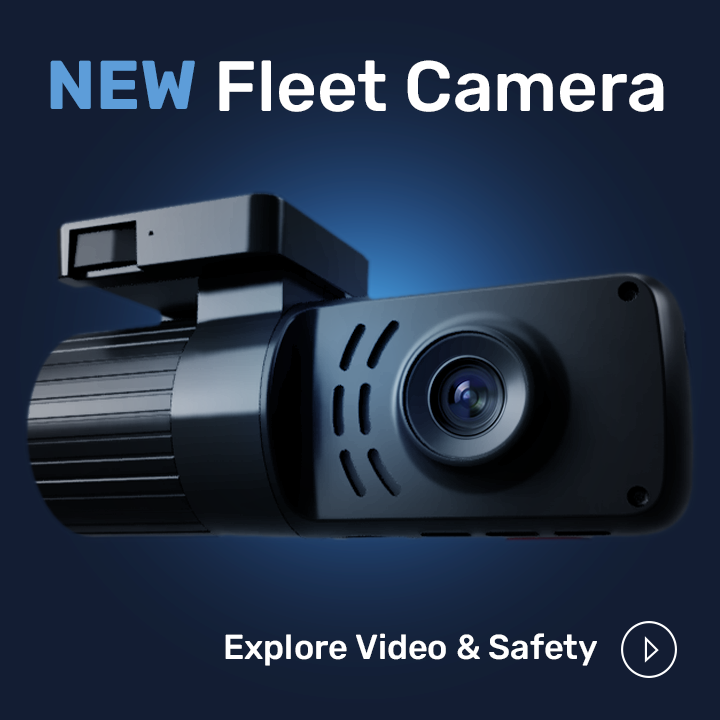
V-DAQ’s Fleet Camera acts as an additional safety aid designed to help protect drivers and improve operational safety across the fleet.
Video Evidence Supports More Effective Driver Coaching
One of the most important benefits of fleet cameras is the ability to provide accurate context following an incident.
Video evidence helps operators understand:
- What occurred
- What conditions the driver faced
- Contributing environmental factors
- Whether the driver was at fault
For many drivers, this provides important peace of mind.
Rather than relying on conflicting witness accounts or assumptions, incidents can be reviewed fairly using objective video evidence.
Video insights also help operators identify:
- Near misses
- High-risk locations
- Fatigue-related events
- Repeat operational hazards
This allows transport businesses to improve safety procedures and provide practical driver support based on real operational conditions.
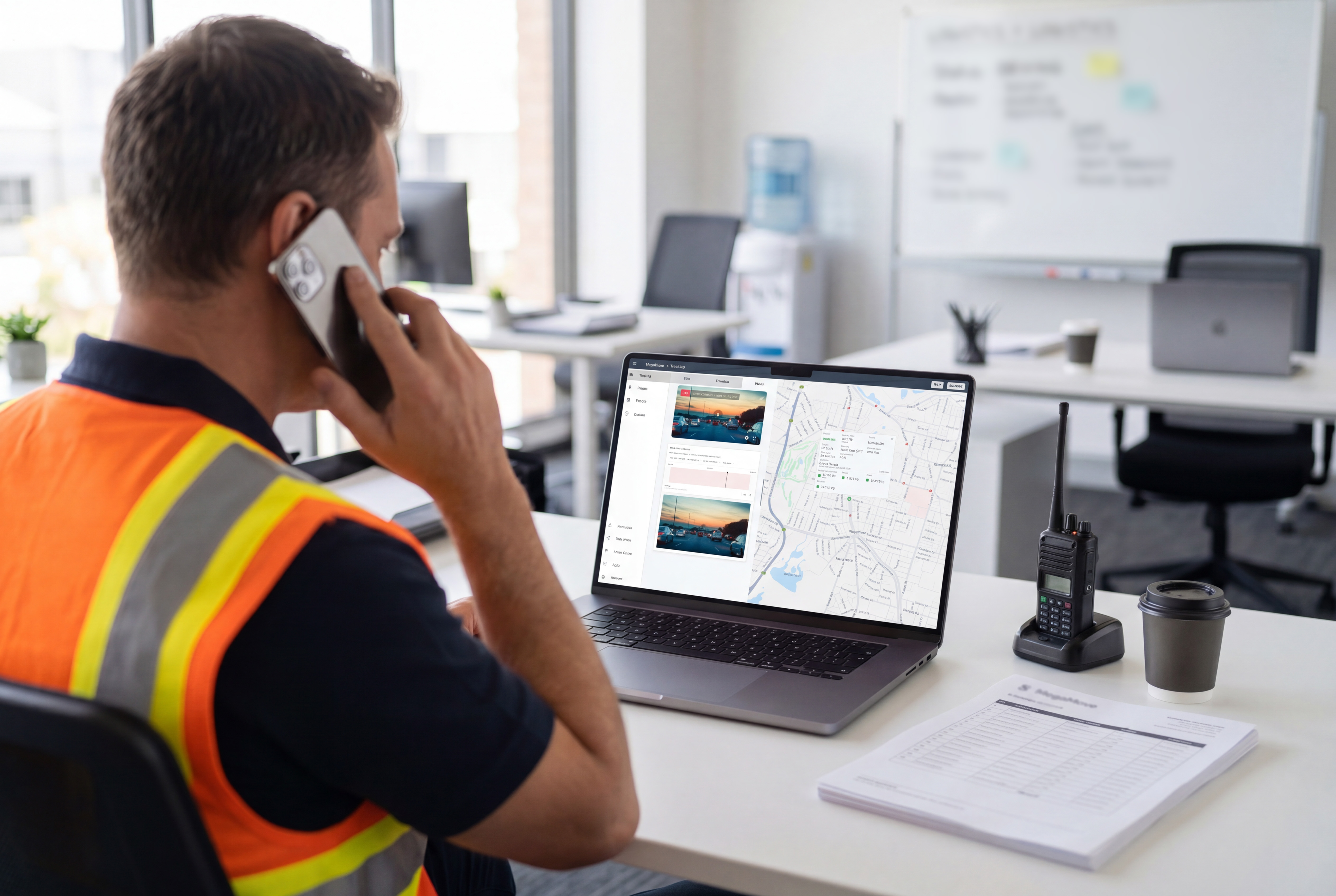
V-DAQ’s Video & Safety platform allows safety teams to remotely access footage and safety events quickly, helping operators respond faster while supporting fair and accurate incident reviews.
Better Support Insurance Claims with Clear Video Evidence
Transport operators and drivers use this clear, reliable video evidence to support faster and more accurate insurance claims processing following an incident.
Video footage helps establish:
- The circumstances surrounding an event
- Contributing road conditions
- Driver actions
- External factors influencing the incident
This can significantly reduce disputes and help protect drivers from false or disputed claims. For many drivers, knowing there is objective evidence available provides greater confidence and reassurance when incidents occur.
Fleet Cameras Provide Greater Visibility into Fleet Safety Trends
Video telematics systems and fleet safety analytics help operators of a fleet of vehicles to assess the safety of their drivers and vehicles on the road.
This allows operators to identify:
- High-risk roads and locations
- Fatigue-related trends
- Harsh braking events
- Near misses
- Operational pressure points
- Areas where additional driver support may be required
Rather than reacting to incidents individually, transport businesses can proactively identify broader safety trends and implement improvements before incidents escalate.
V-DAQ’s Fleet Camera combines video evidence, vehicle tracking, real-time safety alerts, and fleet safety intelligence within one integrated platform designed to support safer transport operations across Australian fleet environments.
Frequently Asked Questions
Modern AI-powered fleet cameras are designed to help prevent incidents before they occur, not simply record them afterwards.
By providing drivers with real-time in-cab safety warnings, fleet cameras can help drivers respond earlier to potential hazards. These real-time alerts act as an additional layer of support for drivers operating in high-risk or high-pressure environments.
The video and safety insights generated by the system also help transport operators identify broader operational risks, improve safety procedures, and provide practical driver support where needed.
V-DAQ’s Fleet Camera combines real-time safety intelligence, video telematics, and in-cab alerts to help reduce preventable incidents and better protect drivers on every journey.
AI fleet cameras can detect a range of driver and road safety events that may contribute to preventable incidents.
These may include:
- Driver distraction
- Mobile phone use
- Fatigue indicators
- Tailgating or following distance risks
- Harsh braking
- Speeding events
- Lane departures
- Driver seatbelt detection
- Rolling stop events
Yes.
One of the most valuable benefits of fleet cameras is the ability to provide clear and objective video evidence following an incident.
Video footage can help:
- Clarify the circumstances surrounding an event
- Reduce disputes over fault
- Support faster insurance investigations
- Protect drivers from false or disputed claims
- Improve reporting accuracy
For many drivers, this provides additional peace of mind knowing incidents can be reviewed fairly using accurate evidence rather than relying solely on witness accounts or assumptions.
Video telematics can also help transport operators respond more quickly following incidents, particularly across regional, remote, or long-haul fleet operations where vehicles may not return to depot immediately.
Modern fleet cameras do more than record incidents, they help transport operators proactively reduce risk, improve driver safety, and strengthen operational visibility across the entire fleet.
Whether you operate regional, remote, long-haul, or enterprise transport fleets, V-DAQ provides the tools needed to improve safety performance and better protect drivers on every journey.