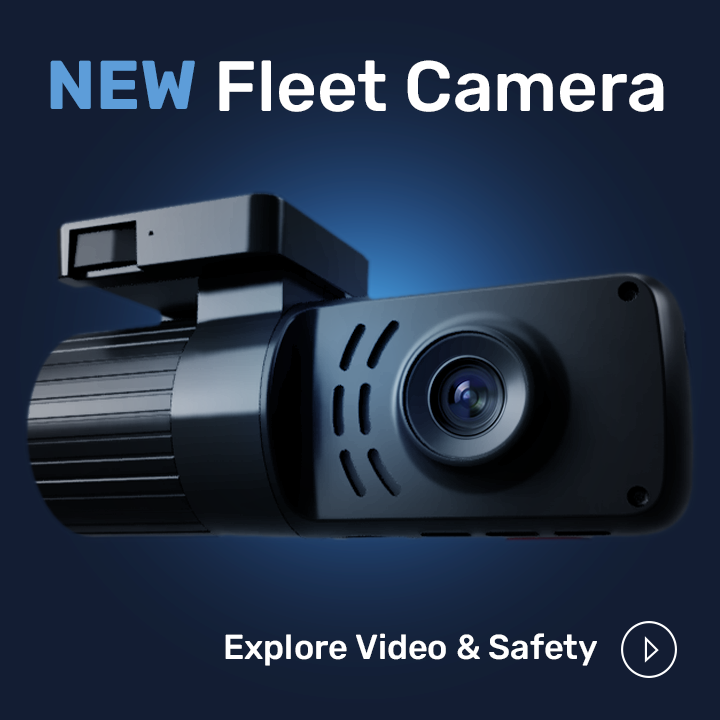
Dash Cams vs AI Fleet Cameras
The transport industry has evolved dramatically in recent years and so has the role of vehicle cameras within modern fleets.
What were once simple recording devices have now become an important part of a broader fleet safety and video telematics strategy.
Today’s AI-powered fleet cameras are designed to help improve driver safety, reduce risk, and provide greater operational awareness when incidents occur.
For fleet managers, procurement teams, and transport consultants, choosing between a traditional dash cam and an advanced AI-powered fleet camera system can have a significant impact on driver protection, incident response, and overall fleet performance.
The question is: what is the best solution for today’s transport operations?
What is a Traditional Dash Cam
A traditional dash cam is a small camera mounted to a vehicle’s windscreen. It records footage of the road while the vehicle is being driven, with the footage typically used as evidence after an incident has occurred.
This dash cam may include features such as:
- Forward-facing video recording
- Local storage using an SD card
- Manual footage retrieval
- Basic incident recording
- Simple playback of recorded footage
For a small fleet or a company just starting to use vehicle video, a traditional dash cam can be a simple and cost-effective way to capture road footage.
However, it is generally a reactive safety tool. It records what happened, but usually only helps after an incident has already occurred. In most cases, footage is recorded continuously and must be manually retrieved from the camera for a specific date and time.
What are AI Fleet Cameras
AI fleet cameras are video recording systems equipped with artificial intelligence, machine vision, and telematics technology.
They go beyond simple video recording by helping identify and respond to potential safety risks in real time. AI fleet cameras can:
- Detect potential safety risks in real time
- Provide real-time alerts to drivers
- Support faster and more accurate incident response
- Help fleets improve driver safety and reduce risk
In summary: instead of simply recording incidents, AI fleet cameras can help drivers avoid them.
Traditional Dash Cams vs AI Fleet Cameras
AI fleet cameras provide significantly more capability, especially for fleets focused on driver safety, operational awareness, and proactive risk reduction.
Why More Fleets are Moving to AI Video Telematics
AI fleet cameras are becoming increasingly popular because they help improve safety while also giving transport operators better insight into fleet operations.
As part of a connected fleet video telematics system, these cameras can provide reliable video evidence that helps operators:
- Resolve incidents more quickly
- Support insurance claims with accurate evidence
- Reduce time spent managing disputes
- Improve understanding of safety events
- Protect drivers with clear footage when incidents occur
- Support safer driving habits through coaching and feedback
One of the biggest differences between AI fleet cameras and traditional dash cams is that footage can be accessed:
- In real time
- Remotely
This means that if an incident occurs, operators can review footage immediately to better understand what happened and respond faster and more accurately.
Real-Time Safety Support & Driver Awareness
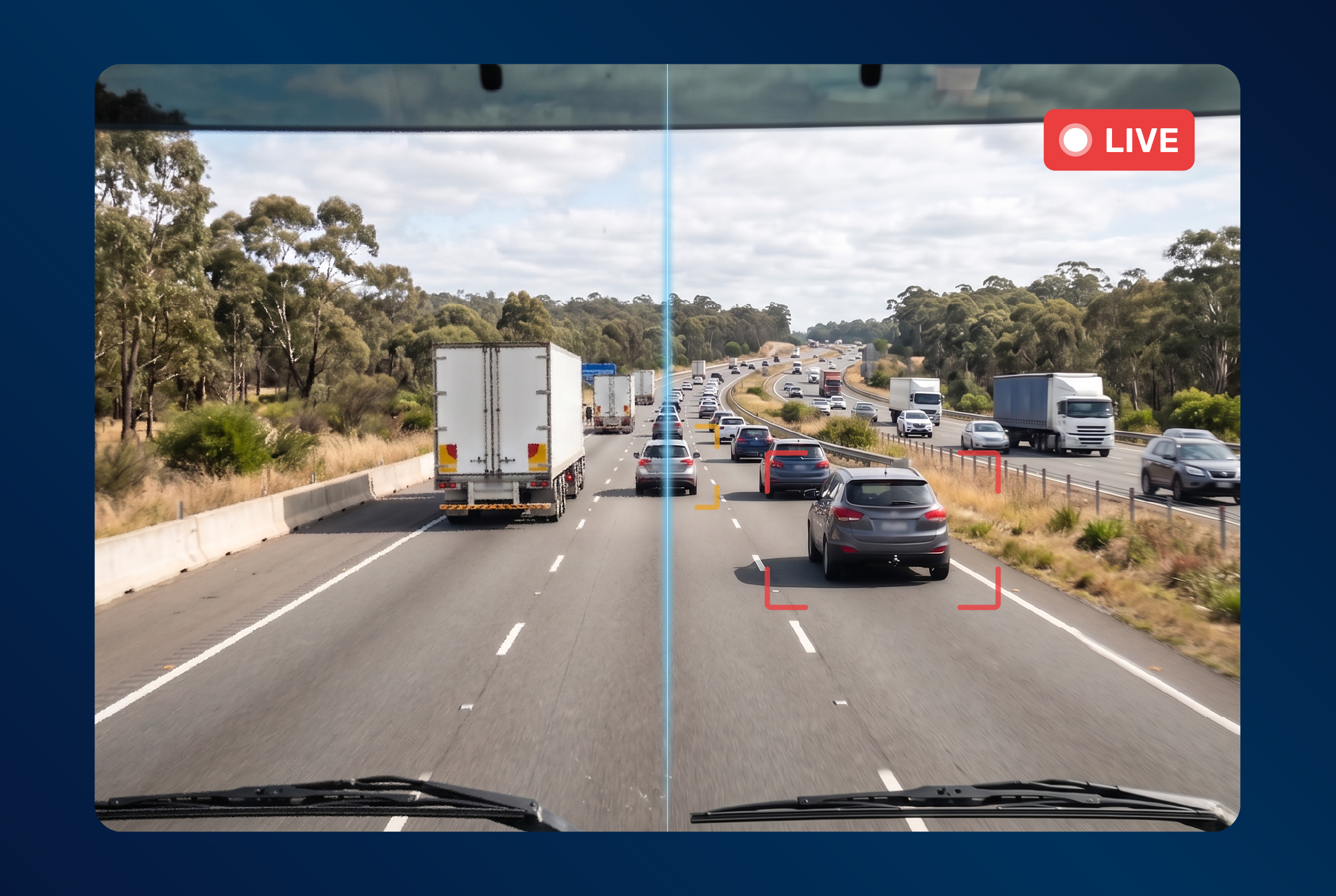
AI-powered fleet cameras can improve safety for drivers and pedestrians by detecting danger in real time and alerting the driver.
The cameras can recognise a number of scenarios where an accident could occur, including but not limited to:
- Following too closely
- Driver fatigue
- Lane departure
- Distracted driving
- Excessive speed
When a risk is detected, the system will alert the driver within the cab to allow time to react and prevent an accident.
The use of fleet cameras to improve safety can transform a fleet from a purely monitoring service to one where risk can be detected and addressed in real time to promote safe driving behavior.
Learn how fleet cameras reduce truck accidents
Remote Access & Operational Visibility
Traditional dash cams can pose a problem in terms of retrieving footage, particularly for vehicles based in remote locations or for long-haul fleets.
With the advanced features of AI-powered fleet camera systems, however, footage can be accessed remotely. This is a common feature of many of the modern fleet camera systems available on the market.
This means that as a fleet operator you can:
- View live footage
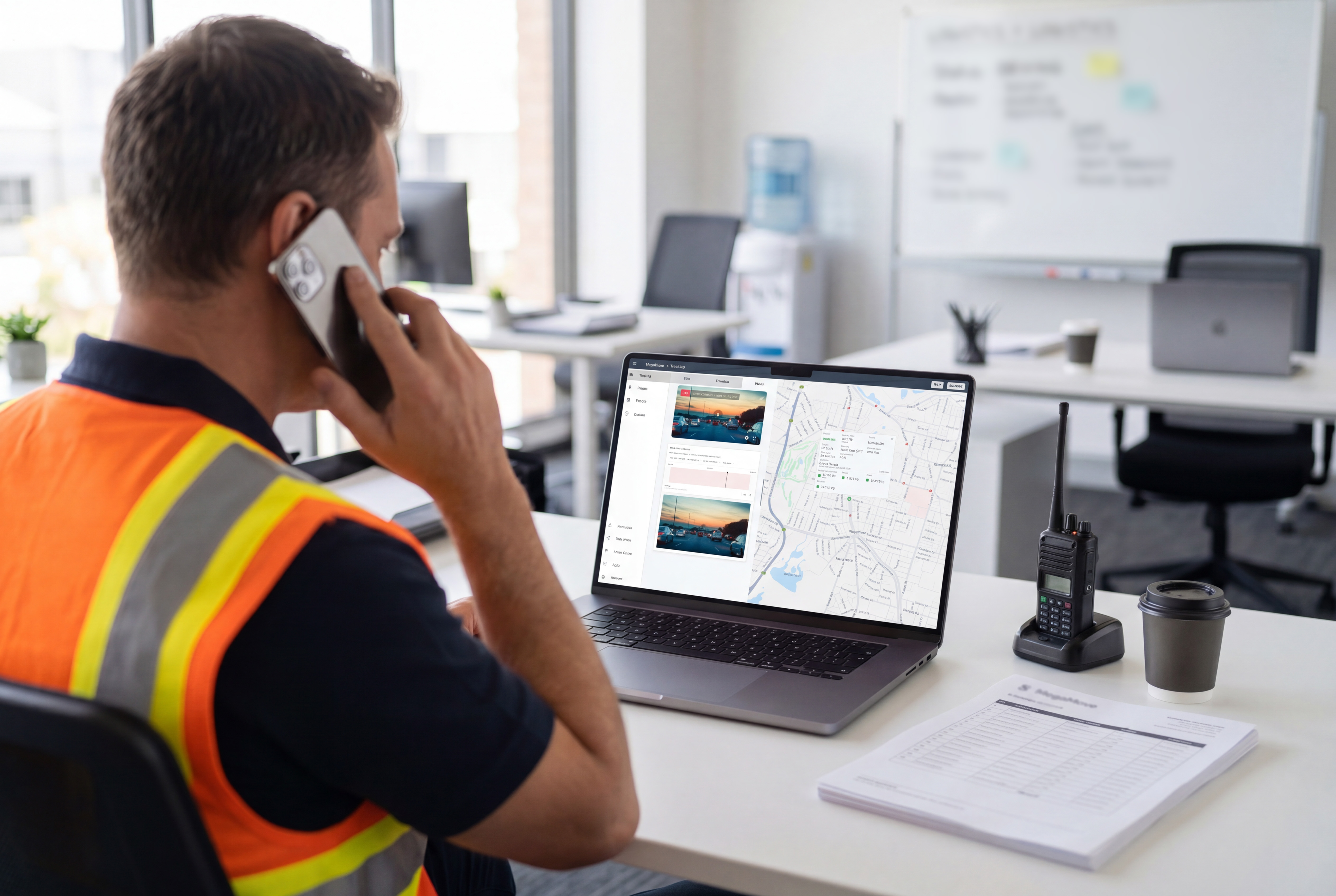
- Access recordings instantly from your cameras, wherever they may be
- Investigate incidents as they happen without having to wait for a vehicle to return
- Keep tabs on your entire fleet of vehicles 24/7/365
This significantly improves the way in which you’re able to respond to incidents and to communicate with others, and provides you with a greater degree of operational awareness.
Ease of Installation Matters
When installing camera systems on multiple vehicles, ease of installation is key.
Modern AI fleet camera solutions are designed with these aspects in mind:
- Easy to install to reduce hassle and cost
- Minimise downtime to vehicles to keep you on the move
- Scalable to grow with your fleet
- Flexibly configured to meet your needs
The benefit to transport operators is lower cost of deployment and rapid implementation.
Fleet Visibility Becomes More Important as Fleets Grow
As your fleet grows, it becomes critical to have visibility into what all your vehicles and drivers are doing.
Unlike traditional dash cams that only record video and store it locally, AI-powered fleet cameras provide a range of features:
- Safety trend analysis
- Centralised incident management
Having this level of visibility into your fleet enables you to:
- Make better decisions
- Operate more safely
- Be more operationally efficient
Why Transport Operators are Choosing V-DAQ Video & Safety
V-DAQ's Fleet Dashcam & Video Safety solutions is designed specifically for the transport and heavy vehicle markets.
It combines:
- AI safety intelligence
- Video playback of recorded video remotely by management or investigators
- Real-time alerts to driver and management of events as they happen
- Support for multiple cameras per vehicle
- Integrated telematics for comprehensive insight into vehicle operation
- Centralised views and dashboards of key performance indicators for fleet-wide visibility of safety and operation by driver, location, vehicle, etc.
- A range of privacy controls
- The ability to scale and roll out to large numbers of vehicles
Importantly, the platform allows for growth as required by the customer. Initially, customers can start with video functionality and then expand to include AI safety functionality, and so on, as required.
Frequently Asked Questions
Modern AI fleet cameras help protect drivers by identifying potential safety risks early and providing real-time alerts that can help prevent incidents before they happen.
Yes. Many insurers recognise that AI fleet cameras can help reduce risk, improve driver safety, and provide clear evidence in the event of an incident.
As a result, some businesses may benefit from reduced premiums or faster claims processing.
Yes. AI fleet cameras are widely used in long-haul transport to help support driver wellbeing and safety during extended hours on the road.
Features such as fatigue and distraction alerts can help drivers stay aware and reduce the risk of serious incidents.
Ready to Upgrade Your Fleet Camera System?
Businesses across Australia are using AI-powered fleet cameras to improve driver safety, reduce risk, and gain greater visibility into fleet operations. At V-DAQ, we provide real-time safety insights and business performance metrics that help protect drivers and support safer transport operations.
We’d love to talk with you about how V-DAQ can support your fleet.