Your V-DAQ data, in the software you already use
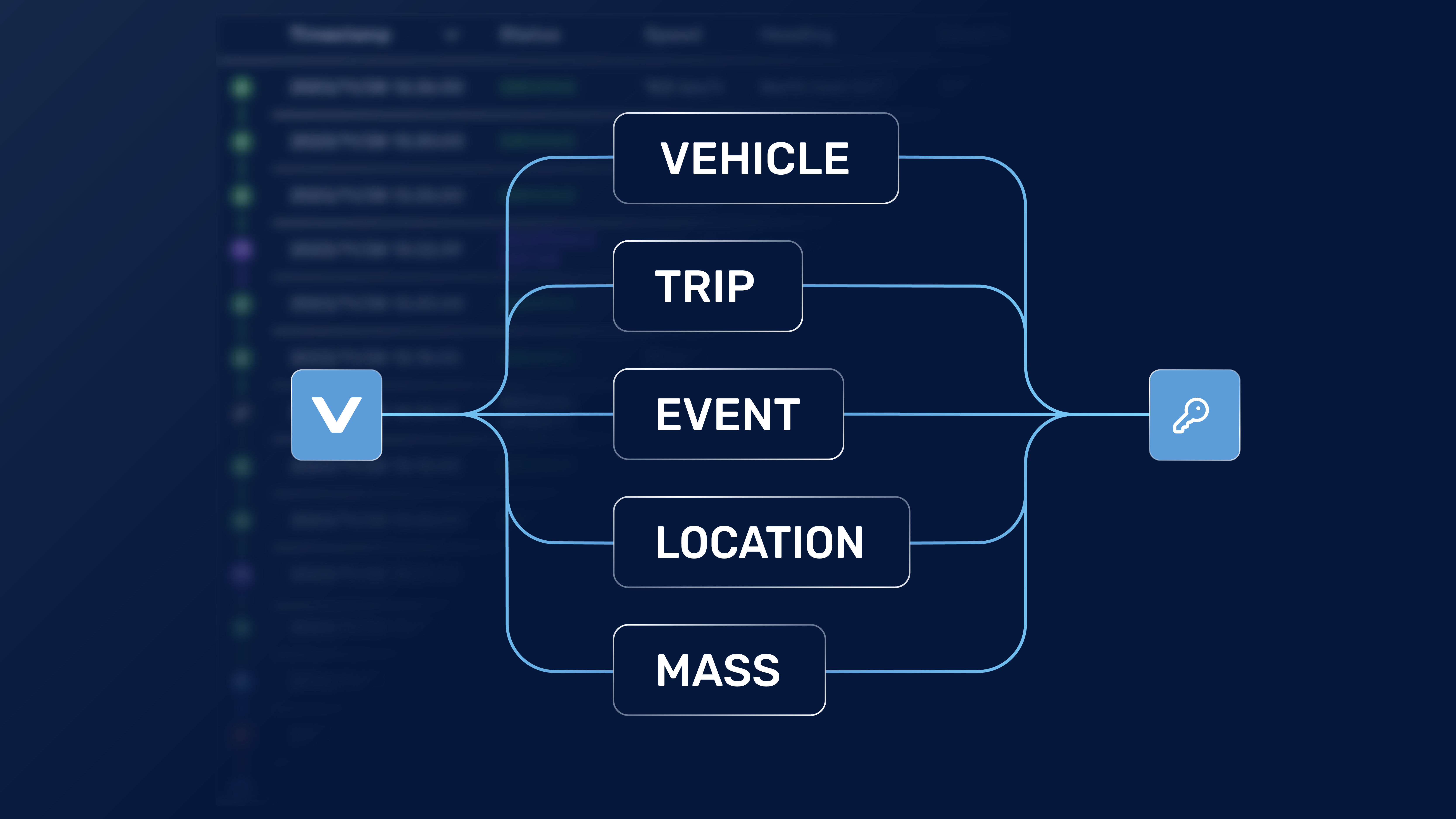
The V-DAQ API lets fleet operators and software providers bring V-DAQ fleet data into the systems you already use. It's also how every new V-DAQ integration is built. Our integration partners connect through the same API that's available to you.
In short
- The V-DAQ API gives you vehicle, trip, event and location data, plus live and historical mass data from connected on-board mass (OBM) systems.
- You decide which data and which vehicles each connection can access.
- Fleets use it in maintenance systems, reporting and their own applications. Software providers use it to build V-DAQ data into their products for shared customers.
What is the V-DAQ API?
It's a documented way for other software to read your V-DAQ fleet data. Instead of exporting reports or re-keying figures, you connect the system that needs the data and it pulls the data in directly.
Every fleet runs a different mix of software. You might use one system for maintenance, another for safety and your own business intelligence tools for reporting.
The V-DAQ API means V-DAQ data can sit in any of them, without a custom integration each time.
How do V-DAQ integrations work now?
V-DAQ connects with applications used for safety, compliance, maintenance, operations and finance. Our new integrations are all built on the V-DAQ API.
For technology partners, that's a consistent way to access authorised customer fleet data and build it into their own products. For you, it means the data your software provider works from is the same data you can access yourself. And if a system you use isn't connected yet, your provider has a clear path to connect it.
What fleet data can you access?
Mass data is the standout. The V-DAQ API gives you live and historical gross and axle-group mass data from connected OBM weighing systems. You can combine it with location, vehicle and trip data in your own applications and reports, or bring it into your mass management processes instead of re-entering figures your OBM system already captures.
The rest of your V-DAQ data is available too.
What can you do with it?
Every operation is different, so the use cases are too. Here's what customers can build with it.
- Send V-DAQ odometer readings to your maintenance system so servicing is scheduled on actual vehicle kilometres.
- Use historical location to confirm when vehicles were on site, for job reconciliation and demurrage.
- Put on-board mass data in your own reports, next to location and other operational information.
- Feed mass, time and location into your compliance or operational workflows rather than entering it by hand.
- Show live location or mass inside another application your team already works in.
- Combine V-DAQ data with data from other providers to report across your wider operation.
Got a different idea? That's what the API is for. Talk to us about what you want to build.
You control what each connection can see
Connecting another system shouldn't mean handing it everything. When you create an API key in the V-DAQ Platform, you choose:
- which API data the application can access
- which vehicles it can see, from a selection up to your whole fleet
- whether new vehicles are included automatically as your fleet changes
Each application, technology provider or authorised system gets only what you've allowed.
For software providers
If your customers are asking you to connect with V-DAQ, the V-DAQ API is the way in.
Technical API documentation is available to help your developers understand the data and start building. If you're developing software that could use V-DAQ fleet data, we'd like to hear from you.
Frequently Asked Questions
Vehicle, trip, event and location data, plus live and historical gross and axle-group mass data from connected OBM weighing systems.
V-DAQ customers and the technology providers they work with. Fleets often use it through their own IT, data or development teams. Software providers use it to bring V-DAQ data into their products for shared customers.
No. Each API key can be limited to specific data and selected vehicles. You can also choose whether new vehicles are added automatically.
You can access both live and historical mass data from connected OBM systems.
Yes. Technical API documentation covers the available data and how to start building.
Request API access from V-DAQ and tell us what you want to connect or build. We'll work through it with you.
Put your fleet data where you need it
Tell us the systems you use and we'll show you how V-DAQ data can flow into them.